

Yes—Duradry’s antiperspirants help reduce sweating in the areas they are labeled to treat, including heavier underarm sweating. The result depends on choosing a sweat-reducing product, applying it correctly, and using it consistently; deodorant and body wash do different jobs. These products do not cure hyperhidrosis or treat an underlying cause of excessive sweating.
- Does Duradry work? Its antiperspirants help reduce sweat; its deodorant spray and body wash serve different purposes.
- Choose the Clinical Sweat Control Stick for daily underarm wetness and odor protection.
- The Intensive Sweat Minimizing Gel adds nighttime underarm sweat control; wash it off the next morning.
- Persistent sweating, sudden changes, or sweating during sleep deserve medical assessment rather than a stronger routine alone.
Does Duradry actually work for excessive sweating?
Duradry sweat care is best for people seeking daily underarm protection with the option to add targeted nighttime sweat control. That is different from promising complete dryness, permanent results, or the same response for everyone.
The Clinical Sweat Control Stick is an antiperspirant and deodorant: it helps reduce underarm wetness and control odor. The Intensive Sweat Minimizing Gel adds a bedtime antiperspirant step for heavier underarm sweating. Neither product needs to eliminate all perspiration to provide a useful improvement in everyday comfort.
Judge effectiveness against the problem you want to change. Less underarm wetness during a commute is a sweat-control result; less odor after a long day is an odor-control result. One does not automatically establish the other.
A useful goal is a routine that makes work, clothing choices, exercise, or social plans easier—not a promise that your body will stop sweating entirely.
Why the product category matters
If you have tried deodorant and still feel wet, that does not mean every sweat-care option has failed. Deodorant controls odor; antiperspirant reduces perspiration in the treated area. A cleanser removes sweat and residue during washing but does not prevent new sweat afterward.
That distinction matters when assessing a routine. You can smell fresher without becoming drier, and you can reduce underarm wetness without addressing sweat on your hands or feet. Choose the function and application area before choosing the format.
The following options have separate roles. You do not need to use every one, and adding more products is not automatically the answer to heavier sweating.
Clinical Sweat Control Stick: daily underarm protection
Best for: everyday underarm wetness and odor. The Clinical Sweat Control Stick combines antiperspirant and deodorant functions in a familiar daily format. It is the simplest starting point when your main concern is getting through ordinary days with dependable underarm protection.
Apply it to clean, dry underarms, following the current package directions. The product guidance describes 2–4 swipes per underarm. More product is not a substitute for the correct application conditions.
The stick’s practical advantage is its straightforward role: daily sweat and odor protection without introducing a separate nighttime step. Its limitation is scope. It is for underarms, not a solution for sweating across every body area, and it does not guarantee complete dryness or freedom from irritation.
If daily protection is meeting your needs, there is no reason to add an intensive product simply because it exists.
Intensive Sweat Minimizing Gel: nighttime underarm support
Best for: heavier underarm sweating that needs a focused nighttime step. The Intensive Sweat Minimizing Gel is an underarm antiperspirant applied at bedtime and washed off the following morning. It is distinct from the daytime deodorizing step.
Its main advantage is that it gives heavier underarm sweating a dedicated application schedule. The tradeoff is the extra routine: completely dry skin, bedtime application, morning washing, and attention to the label’s restrictions.
The gel is not designed to control night sweats. Applying an antiperspirant at night for less daytime sweating is not the same as treating sweating during sleep. It also is not intended for hands, feet, or other body areas.
Follow the current label for the initial schedule and maintenance. The referenced directions describe twice-weekly maintenance after sweating is controlled, or use as needed—not a universal starting schedule or a guarantee that two applications will resolve the problem.


Sweat Control Body Wipes: targeted body sweating
Best for: sweat control on permitted body areas beyond the underarms. Sweat Control Body Wipes are antiperspirant wipes, not cleansing wipes. The product’s named application areas include hands, feet, chest, back, thighs, and underarms, subject to the current package directions.
Each pack contains 30 unscented wipes. The portable format is useful for a routine that includes body sweat, but portability does not mean the wipes instantly remove or stop active sweating.
Their advantage is the body-use format. Their limitation is that they still require appropriate application conditions and label-directed timing. The referenced directions include bedtime application, air drying, and washing off the next morning; follow the package supplied with your product.
Do not interpret body-use positioning as permission to apply to the face, eyes, genital tissue, or mucous membranes. Do not substitute the underarm gel for a product intended for the body.
How to use an underarm routine correctly
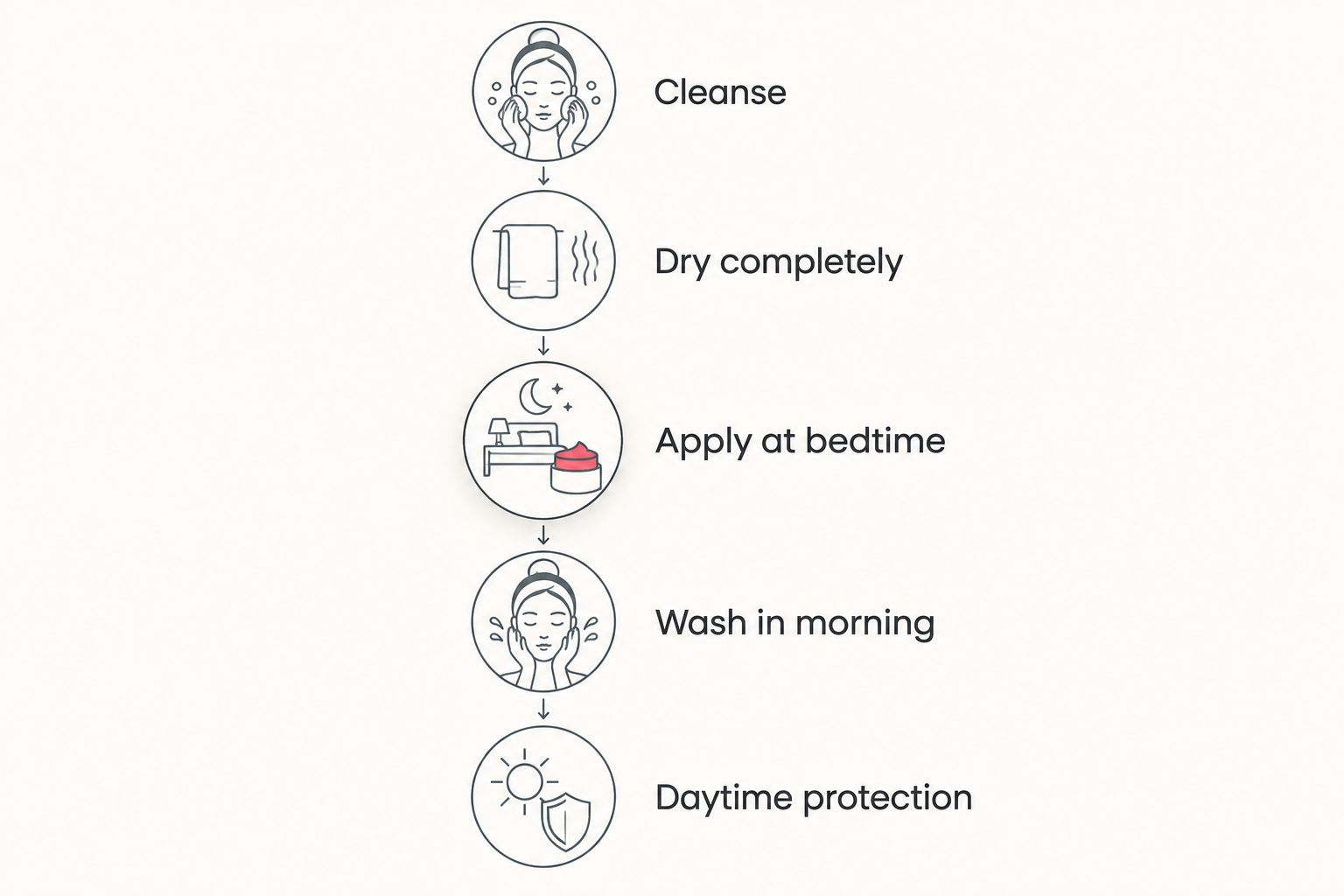
If you choose the gel alongside a daily stick, keep the steps separate. They happen at different times rather than as layers applied together.
- Cleanse. Wash away sweat and product residue, then rinse thoroughly. A body wash provides cleansing; it does not need to act as an antiperspirant to be useful.
- Dry completely. Let the underarms become fully dry before applying the gel. Do not apply it immediately after bathing.
- Apply at bedtime. Follow the current gel label. Product guidance describes a pea-sized amount per underarm; do not increase the amount to chase faster results.
- Wash in the morning. Wash the gel off thoroughly, then dry your underarms.
- Apply daytime protection. Use the daily stick according to its label once the skin is dry. Adjust the gel’s maintenance schedule only as directed.
Do not use the gel on broken, irritated, or recently shaved skin, or in or near the eyes. Stop if rash or irritation occurs, and ask a doctor before antiperspirant use if you have kidney disease. The current package label governs the amount, schedule, and warnings.
A branded cleanser is not essential for every antiperspirant to work. The practical requirement is appropriate cleansing followed by the application conditions specified for the leave-on product.
Why results vary
The same product can fit one person’s needs better than another’s. Before deciding that a routine is ineffective, check these factors:
- Product function. A deodorant spray addresses odor, not excessive wetness. A wash cleanses rather than preventing perspiration.
- Application area. An underarm-only product is not an appropriate test of whether you can manage sweaty hands or feet.
- Skin dryness. The gel requires completely dry underarms and should not be applied immediately after bathing.
- Timing and consistency. Nighttime gel use and daytime stick use have different instructions. Follow the schedule for the product you actually have.
- Skin tolerance. Irritation is a reason to stop and reassess, not evidence that a stronger dose is needed.
- The sweating itself. Persistent or disruptive sweating can need clinical assessment and more than a consumer routine.
Change the mismatch, not automatically the strength. If odor improves but wetness does not, first confirm that your routine includes an antiperspirant rather than only a deodorant or cleanser.
How can you tell whether the routine is helping?
Look at the outcome that prompted you to start. For underarm sweating, compare wetness and its effect on your day under reasonably similar circumstances, rather than using fragrance as the measure of success.
A hot workout and a quiet office day are different situations. Likewise, a single application does not establish what a label-directed routine will do with consistent use. Keep the product, application area, and schedule clear while you assess the result.
You do not need an elaborate tracking system. Notice whether underarm wetness is easier to manage, whether the routine fits your day, and whether your skin remains comfortable. These observations help you explain both progress and remaining concerns if you seek professional advice.
Avoid changing several products or application amounts at once. That makes it harder to identify what helped—or what caused irritation.
What should you do if it does not seem to work?
Start with the instructions, not an extra application. Confirm that you are using an antiperspirant on its intended area, applying it to appropriately prepared skin, and following its schedule.
If those basics are correct and sweating still disrupts work, sleep, clothing choices, or everyday activities, speak with a clinician. Bring the product names and explain where you sweat, when it happens, and what you have already tried.
Do not double the dose, apply the gel to larger body areas, or layer the gel, stick, and antiperspirant wipes together to increase potency. More product is not a troubleshooting plan. Rash or irritation calls for stopping use, not pushing through until your skin adjusts.
Does it work for odor as well as sweat?
The Clinical Sweat Control Stick addresses both underarm sweat and odor. The Deodorant Body Spray has a different role: leave-on body odor protection, without a claim that it reduces perspiration.
Deep Clean Body Wash removes sweat, odor, and buildup during washing. Its benefit is cleansing; it does not prevent future sweating. If odor is your only concern, you do not automatically need a more intensive antiperspirant routine.
Can it cure hyperhidrosis?
No—Duradry antiperspirants do not cure hyperhidrosis. They help reduce perspiration in the treated areas within their labeled use, while a clinician can assess excessive sweating and recommend appropriate management.
You do not need a diagnosis to want better everyday sweat protection. But sudden changes, sweating during sleep, or sweating with other symptoms deserve medical attention rather than an assumption that your current product is too weak.
FAQ
Does Duradry work if regular deodorant has not helped?
Duradry antiperspirants address wetness, while a regular deodorant may address only odor. Choosing the correct category matters, but no product guarantees the same result for everyone.
Which product should I start with for sweaty underarms?
The Clinical Sweat Control Stick is the simplest starting point for daily underarm sweat and odor protection. The Intensive Sweat Minimizing Gel adds a nighttime step when heavier underarm sweating needs more focused support.
Should I apply the gel straight after a shower?
No—the gel should not be applied immediately after bathing. Let the underarms become completely dry and follow the current package directions for bedtime application.
Can I use the nighttime gel on my hands or feet?
No—the Intensive Sweat Minimizing Gel is for underarms only. Sweat Control Body Wipes are positioned for targeted body sweat, including hands and feet, subject to the current package directions.
Do I still need daytime protection after using the gel?
The gel guidance recommends daytime deodorant or antiperspirant after washing the gel off in the morning. Dry the underarms before applying the daytime product.
Does applying the gel at bedtime treat night sweats?
No—the gel is applied at bedtime to support reduced daytime underarm sweating, not to treat sweating during sleep. Discuss night sweats with a clinician rather than increasing antiperspirant use.
What should I do if the product stings or causes a rash?
Stop use if rash or irritation occurs, as the antiperspirant labels direct. Do not increase the dose or continue through worsening symptoms; persistent or severe reactions warrant professional advice.
One last thing
The most useful upgrade is sometimes a change in category, not a stronger formula. If you have been treating wetness with deodorant alone, start by checking for an antiperspirant function. If you already use an antiperspirant, check its application conditions before adding another step.
Choose the product that matches your main concern, follow its label, and assess the actual outcome you want to improve.

