

Yes, stress can cause excessive sweating by activating the nerves that signal your sweat glands, even when you are not hot or exercising. You might notice wet palms, damp underarms, or sweaty feet before a presentation, during a difficult conversation, or while anticipating an important event. Stress is a real sweat trigger, but persistent, sudden, or nighttime sweating should not automatically be attributed to stress.
- Can stress cause excessive sweating? Yes. Emotional stress can trigger sweating without heat or exercise.
- Antiperspirant reduces wetness; deodorant addresses odor. Choose according to the problem you want to manage.
- Duradry sweat care fits readers seeking daily underarm protection or an additional nighttime antiperspirant step.
- Sudden changes, drenching night sweats, or sweating with other symptoms deserve medical assessment.
Why this matters
Understanding the trigger helps you choose the next step. Sweating before a meeting does not automatically mean you have a medical condition, and sweating despite deodorant does not mean you need to wash more often.
Separate the questions: are you managing wetness, odor, or sweating that needs assessment? This guide to using antiperspirant and deodorant together explains the product distinction. Stress management and sweat control also have different jobs: one addresses your response to pressure, while the other helps reduce perspiration in a treated area.
Can stress cause excessive sweating?
Yes. Emotional stress activates your autonomic nervous system, which controls automatic functions such as heart rate and sweating. Sweat glands respond to those nerve signals, so you can sweat in a cool room without physical exertion.
The palms, soles, and underarms are common places to notice emotional sweating. A stressful situation can also intensify sweating that you already experience for other reasons.
The pattern offers useful clues, but it does not establish a diagnosis:
- Sweating around a specific event: Damp palms before an interview or underarm wetness during a presentation fits an emotional trigger.
- Sweating during heat or exercise: Your body also produces sweat to regulate temperature. Physical and emotional triggers can happen together.
- Sweating repeatedly without an obvious trigger: Frequent wetness at rest deserves attention, particularly when it disrupts ordinary activities.
- A new or changing pattern: Sudden sweating, sweating during sleep, or sweating alongside other symptoms needs a broader assessment.
Stress can explain an episode without explaining every episode. Notice whether sweating also happens when you feel calm, whether it affects particular areas, and whether the pattern has changed.
Why does worrying about sweat make it worse?
Concern about visible wetness can become another source of stress. You notice dampness, start monitoring your clothing or hands, and feel more pressure just as your nervous system is already responding to the situation.
That feedback loop does not mean you are imagining the sweating. The physical response is real. A practical routine can reduce last-minute decisions, while support for persistent anxiety addresses a separate part of the problem.
Is stress sweating the same as hyperhidrosis?
- Stress sweating describes a trigger; hyperhidrosis describes sweating beyond what your body needs for temperature regulation. Stress can worsen hyperhidrosis, but sweating during a stressful moment does not establish that you have it.
Primary focal hyperhidrosis typically affects particular areas, such as the underarms, palms, or soles, often on both sides. Secondary excessive sweating relates to another cause, including some medical conditions or medications. A clinician distinguishes these patterns through your history and, when needed, further assessment.
You do not need to diagnose yourself before seeking help. Explain what sweating prevents you from doing: holding a pen comfortably, handling work materials, wearing the clothes you prefer, or getting through a normal day without repeated changes.
Avoid using intensity alone as a diagnosis. A demanding workout can produce substantial normal sweating, while repeated hand sweating in a cool setting can be disruptive without soaking your clothes.
Why stress-related sweating varies
The same event does not produce the same response in everyone. Your surroundings, baseline sweating pattern, and routine affect what you notice and how you manage it.
- The emotional trigger: Anticipation, conflict, public speaking, and social pressure can all activate emotional sweating.
- Heat and physical activity: A warm commute or workout adds a temperature-regulation demand alongside stress.
- Your baseline sweating pattern: Existing excessive sweating can become more noticeable under pressure.
- The affected area: Damp palms create different practical problems from underarm wetness or sweaty feet.
- Your product's purpose: Deodorant can address odor while leaving wetness unchanged. Antiperspirant serves a different function.
- Application conditions: For topical sweat control, the intended body area, dry skin, timing, and consistent labeled use matter.
These factors help you make useful adjustments. They do not justify applying more product than directed or treating every new symptom as an ordinary stress response.
What can you do before a stressful event?
Prepare your sweat care before the pressure starts rather than relying on a last-minute application. Match the product to the affected area and follow its directions; an underarm product is not automatically appropriate for your hands or feet.
Before the event
Choose clothing that feels comfortable in the setting and allows you to manage temperature. If your commute leaves you warm, give yourself an opportunity to cool down before getting dressed for the event or entering the room.
Use antiperspirant according to its label, including any nighttime schedule. Applying extra product immediately before a presentation does not replace correct use, and damp skin is not the starting condition specified for many antiperspirants.
During the event
If practical, move to a cooler space, loosen an unnecessary layer, and pause for slow, comfortable breathing. These steps address heat and tension; they are not guaranteed to stop sweating.
Blot wet skin gently when needed. Avoid repeatedly rubbing the area or adding unfamiliar products to already irritated skin. A spare top or small towel can be a practical backup, not an admission that your routine has failed.
After the event
Notice whether the sweating settled as the situation passed. If the same problem keeps interfering with work, exercise, travel, or social plans, record the pattern and review your routine rather than simply increasing the dose.
Persistent anxiety that restricts daily life also deserves support. Sweat care can manage wetness, but it does not treat an anxiety disorder.
Which sweat care approach fits your concern?
Start with the outcome you want. Reducing wetness, controlling odor, and cleansing skin are separate tasks. You do not need every format to build a useful routine.
Daily underarm wetness and odor
Best for: everyday underarm sweat and odor protection. Duradry's Clinical Sweat Control Stick combines an antiperspirant role with deodorant protection in a familiar daily format. Apply to clean, dry underarms using the current label's directions; the product guidance specifies 2–4 swipes per underarm.
The advantage is a straightforward daily step. The limitation is that an underarm stick does not address the source of stress or explain sudden changes in sweating, and its directions do not extend to every body area.
Heavier underarm sweating despite a basic routine
Best for: adding nighttime underarm sweat control. Duradry's Intensive Sweat Minimizing Gel provides a separate bedtime antiperspirant step for heavier underarm sweating. It is washed off the next morning rather than layered into a daytime routine.
The advantage is targeted nighttime application. The tradeoff is a more specific schedule and additional precautions: use only on underarms, avoid broken, irritated, or recently shaved skin, and do not apply immediately after bathing.
Duradry sweat care is best for people seeking daily underarm protection or an additional nighttime antiperspirant step. Neither format treats the underlying cause of anxiety or unexplained sweating.


How do you use a nighttime underarm gel correctly?
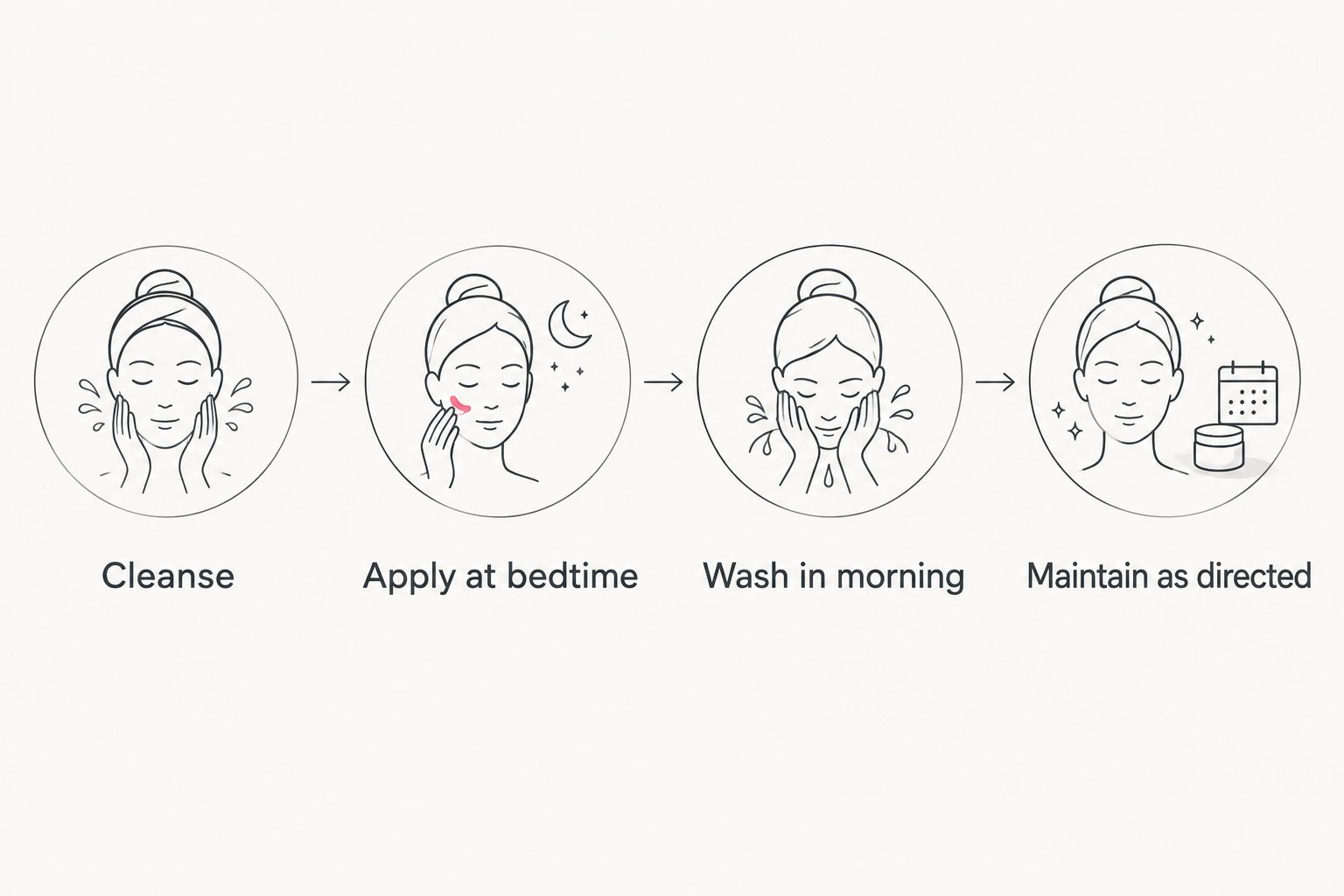
Follow the current package label for the amount, starting schedule, and maintenance. The sequence matters because nighttime application and daytime protection happen at different times.
- Cleanse: Remove sweat and product residue, rinse thoroughly, and allow your underarms to become completely dry. Do not apply the gel immediately after bathing.
- Apply at bedtime: The product guidance describes a pea-sized amount per underarm. Keep application limited to the underarms and respect the label's skin restrictions.
- Wash in morning: Wash your underarms thoroughly the next morning, then dry them before applying a daytime deodorant or antiperspirant.
- Maintain as directed: Follow the label after sweat control is established. The referenced maintenance pattern is twice weekly or as needed, not a universal starting schedule.
Stop use if rash or irritation occurs. Ask a doctor before using an antiperspirant if you have kidney disease, as the referenced labels direct. More frequent application is not the automatic answer to inadequate control.
Importantly, a bedtime antiperspirant is intended to help reduce daytime underarm sweating. It is not a treatment for night sweats or the conditions that cause them.
When should you get medical advice about sweating?
Arrange an assessment when sweating is persistent, disruptive, new, or noticeably different from your usual pattern. Mention sweating during sleep, a recent medication change, or symptoms such as fever, unexplained weight loss, or palpitations.
Do not stop prescribed medication on your own because you suspect it contributes to sweating. A clinician can review the timing and discuss appropriate options.
Sudden sweating with chest pain, significant shortness of breath, or fainting calls for urgent medical help, not a product change. Outside an emergency, a short record of timing, affected areas, triggers, and associated symptoms helps make the appointment more useful.
FAQ
Can stress make me sweat even when I'm cold?
Yes, emotional stress can trigger sweating even when you are not warm. Sweating also has nervous-system triggers separate from your body's need to cool down.
Does sweating from anxiety mean I have hyperhidrosis?
No, sweating during anxiety does not by itself establish hyperhidrosis. A clinician considers your overall sweating pattern, its effect on daily life, and possible underlying causes.
Will deodorant stop stress sweat?
Deodorant alone does not reduce stress-related perspiration; its role is odor control. Choose an antiperspirant when your main concern is wetness, and follow the directions for the intended body area.
Why do I sweat more when I worry about sweating?
Worrying about sweating can add emotional stress and trigger further sweating. The response is physical, not imagined; a consistent routine and support for persistent anxiety address different parts of the problem.
Can I use a nighttime antiperspirant to treat night sweats?
A nighttime underarm antiperspirant is not a treatment for night sweats. Bedtime application supports sweat control in the treated area; recurrent drenching sweating during sleep needs medical assessment.
Should I apply more antiperspirant before a stressful meeting?
Follow the labeled amount and schedule rather than adding extra antiperspirant before a meeting. Correct application conditions matter, and additional product is not a substitute for the intended routine.
Can stress sweating go away when the stressful event ends?
Stress-related sweating can settle after the trigger passes. Sweating that continues when you are calm, repeatedly disrupts daily life, or changes suddenly deserves further assessment.
One last thing
You do not have to eliminate stress before you can manage wetness. Antiperspirant and stress support address different needs, and neither requires treating ordinary sweating as a personal failure.
Before your next demanding day, identify your main concern: wetness, odor, or a changed sweating pattern. Use that answer to choose a labeled sweat care step or arrange an assessment rather than automatically adding more products.

