

No, you cannot use antiperspirant wipes instead of showering: they reduce sweat on treated skin, but they do not replace washing away sweat, dirt, oil, and product buildup. They belong on clean, dry skin, not as a cleansing shortcut after a workout or long commute. When a shower is out of reach, clean the areas that need attention first and keep sweat control as a separate step.
- Can you use antiperspirant wipes instead of showering? No—sweat control and cleansing do different jobs.
- Duradry Sweat Control Body Wipes suit targeted body sweat control, not washing away dirt or buildup.
- After exercise, clean and dry your skin before using antiperspirant according to its label.
- Deodorizing wipes address freshness; antiperspirant wipes reduce sweat. Neither replaces a full wash.
Why this matters
A wipe is an application format, not a promise that it cleans. An antiperspirant wipe deposits a sweat-reducing formula; a cleansing wipe is made to remove material from the skin. Picking the wrong category leaves your actual concern unaddressed.
A rinse-off cleanser such as Deep Clean Body Wash handles sweat, odor, and daily buildup during washing. Its limitation is equally important: cleansing does not prevent new perspiration. You do not need to choose between washing and sweat control, because they serve different purposes.
Can you use antiperspirant wipes instead of showering?
No. Use antiperspirant wipes after cleansing, not in place of it. Even if the wipe feels damp or picks up a little surface residue, its antiperspirant role does not establish that it cleans your skin adequately.
For a practical routine, keep these steps separate:
- Cleanse. Wash away sweat and buildup with water and a suitable cleanser. If a full shower is unavailable, wash the areas that need attention rather than treating antiperspirant as a cleanser.
- Dry. Let the intended application area become completely dry. Do not apply the product to actively sweaty skin and assume it will work as directed.
- Apply. Use the antiperspirant wipe only on body areas permitted by its package. Follow the amount, timing, and warnings for that specific product.
- Follow directions. Allow the formula to dry and observe any wash-off instructions. A bedtime antiperspirant is not automatically an on-the-go refresh product.
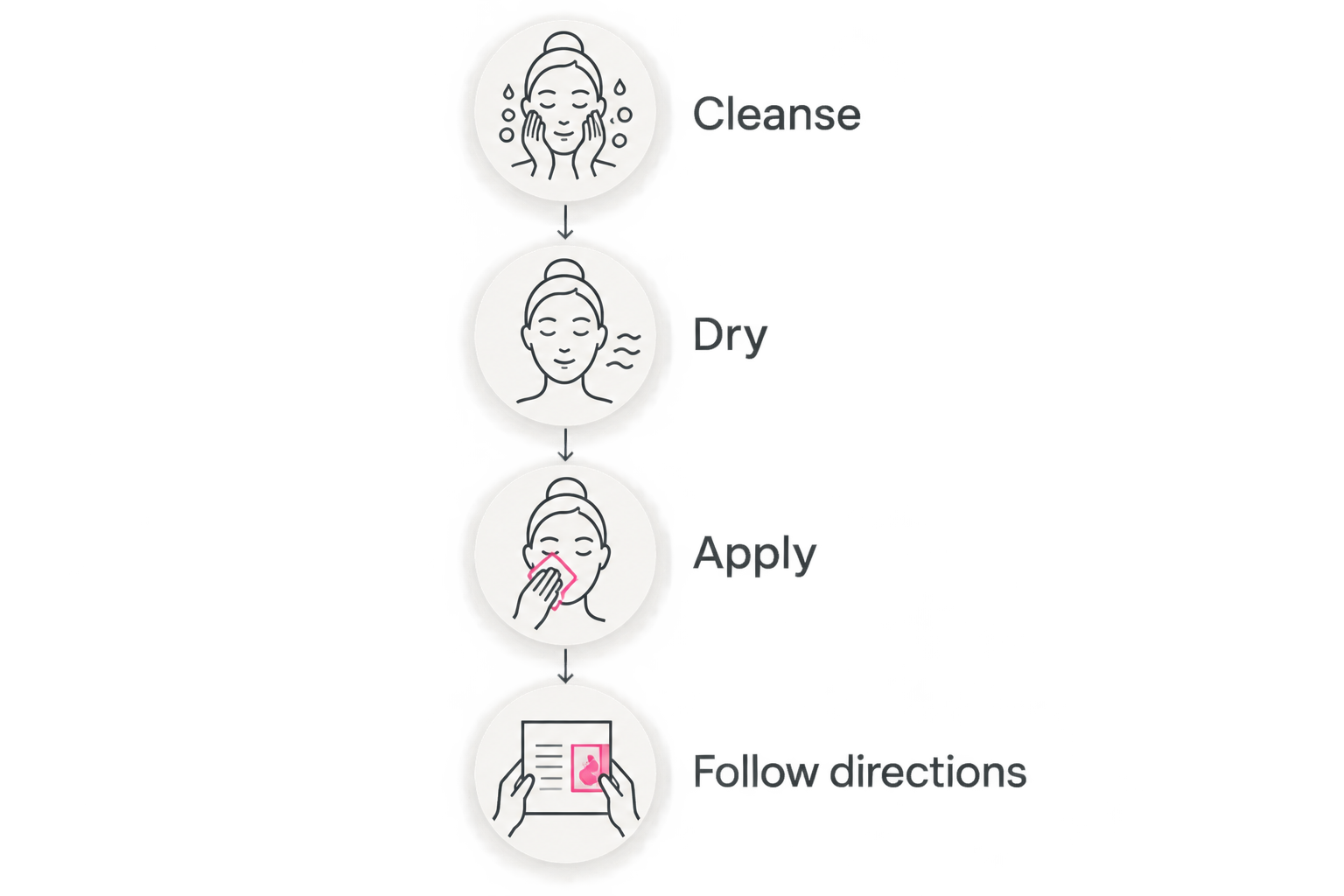
This sequence also explains why wiping an already sweaty underarm is not the same as preparing it for antiperspirant. Removing surface moisture alone does not wash away oil or accumulated product. Start with the need in front of you: cleaning now, reducing sweat later, or both.
Which type of wipe matches your concern?
Read the product's stated function before choosing a wipe. Words such as fresh, body, and portable do not tell you whether it cleanses, deodorizes, or reduces perspiration.
Antiperspirant wipes: best for targeted sweat reduction
Antiperspirant wipes deliver a sweat-reducing active to permitted skin areas. Their practical advantage is the portable application format, especially when you prefer a wipe for areas such as hands or feet.
The limitation is that they still require preparation and correct timing. They are not a substitute for washing, and a convenient pack does not mean immediate, complete protection on sweaty skin. Follow the particular product's directions rather than borrowing instructions from another antiperspirant.
Cleansing wipes: best for a temporary surface clean
Body cleansing wipes are intended to remove surface material without a full shower. They offer a practical stopgap when you cannot wash normally, provided the label permits use on the area you want to clean.
Their limitation is scope: a quick wipe-down is not the same as a thorough wash. Do not assume a cleansing wipe also reduces future sweat, controls odor for a particular duration, or suits every body area.
Deodorizing wipes: best for an odor-focused refresh
Deodorizing wipes focus on freshness and odor care. Some products also have cleansing directions, but you need to read the label rather than infer that from the format.
Their limitation is sweat control. A deodorizing wipe does not become an antiperspirant because your skin feels fresher afterward. If wetness is the concern, look specifically for an antiperspirant function.
What should you do when you cannot shower?
A delayed shower calls for a temporary cleansing plan, not extra antiperspirant. Keep the plan proportionate to your activity and how your skin feels.
After a workout
Let yourself cool down, remove damp workout clothing, and wash when you can. If a shower is not possible, use a sink, water, and a suitable cleanser to clean accessible areas, then rinse and dry them.
A body cleansing wipe used as directed is another temporary option. Do not scrub irritated skin or keep passing an antiperspirant wipe over it to chase a freshly washed feeling. Save sweat-control application for clean, dry skin at the time its label specifies.
During travel or a long workday
Keep cleansing supplies separate from antiperspirant in your bag so each has a clear job. Clean the areas that need attention, dry your skin, and change damp clothing when practical.
Do not assume you must reapply antiperspirant whenever you notice sweat. Check the product's directions first. More frequent application is not a replacement for cleaning or a reason to exceed the label.
When you feel fresh but want less wetness
If your skin is already clean and dry, you do not need another wash simply to justify a sweat-control step. Use the appropriate antiperspirant according to its instructions.
This is where the distinction becomes useful: showering addresses cleansing needs, while antiperspirant addresses perspiration in treated areas. Neither task makes the other product unnecessary in every situation.
Where Duradry Sweat Control Body Wipes fit
Duradry Sweat Control Body Wipes are best for people who want targeted body sweat control, not a replacement for washing. The unscented wipes come in a pack of 30 wipes and are positioned for areas including underarms, hands, feet, chest, back, and thighs, subject to current package directions.
The Sweat Control Body Wipes offer a portable antiperspirant format. Their limitation is that they do not cleanse away a day's buildup, and carrying them in a gym bag does not make them a post-workout shower substitute.
The referenced directions specify bedtime application to clean, dry skin, air drying, and washing off the next morning, with daytime use as needed. The current package label governs your routine. Do not interpret daytime use as permission to apply repeatedly to sweaty or irritated skin.
For cleansing, Duradry Deep Clean Body Wash is the separate rinse-off step. Apply it to wet skin, lather, and rinse thoroughly; let the intended skin area dry completely before applying a leave-on antiperspirant. The wash is offered in 6 fl oz and 2.5 fl oz sizes, but neither size changes its role: it washes away sweat and buildup rather than preventing perspiration.


You do not need a larger routine just because these products have different jobs. Choose cleansing for buildup and add an antiperspirant only when sweat reduction is part of your goal.
Why your between-shower routine varies
There is no useful universal rule that an antiperspirant wipe replaces a certain number of showers. Your next step depends on what your skin needs and what the product is designed to do.
- Your main concern: Existing sweat and buildup call for cleansing; future wetness calls for an antiperspirant. Odor care is another distinct function.
- Recent activity: Exercise, a hot commute, and a quiet indoor day create different practical cleansing needs. Choose based on your situation rather than a fixed wipe schedule.
- Skin condition: Broken or irritated skin changes what you should apply. Do not add more product to work around discomfort.
- Application area: A body antiperspirant's permitted areas differ from an underarm-only product's directions. Never transfer body-area permissions between products.
- Label timing: Bedtime application, drying, and morning wash-off instructions affect how an antiperspirant fits around bathing. Convenience does not override those instructions.
Can you use antiperspirant wipes right after a workout?
Use antiperspirant wipes after a workout only when your skin is clean and completely dry and the product's directions permit that timing. They are not intended to mop up active perspiration in place of washing.
If your product calls for bedtime application, keep that schedule. Clean up after exercise first, then apply the antiperspirant later as directed rather than combining the tasks.
Should you wash antiperspirant wipes off afterward?
Wash antiperspirant off when the specific product's label directs you to do so. Some wipe routines include overnight contact followed by washing the next morning; wiping the formula away immediately is not the same routine.
For Duradry Sweat Control Body Wipes, follow the current package's bedtime, drying, and wash-off directions. Never assume instructions for a cleansing wipe apply to an antiperspirant wipe.
What if antiperspirant wipes irritate your skin?
Stop using an antiperspirant if rash or irritation occurs. Do not increase the dose, scrub the area, or continue through worsening symptoms to reach a sweat-control goal.
Follow the package warnings about broken skin and other restrictions, including asking a doctor before use if you have kidney disease. Persistent or severe irritation warrants professional advice; a different format is not automatically a solution to the same reaction.
FAQ
Can antiperspirant wipes replace a shower after the gym?
No. Antiperspirant wipes reduce sweat on treated areas but do not replace washing away sweat, dirt, oil, and buildup. Clean and dry your skin before applying them according to the package directions.
Are antiperspirant wipes the same as body cleansing wipes?
No. Antiperspirant wipes deliver sweat control, while body cleansing wipes are intended to remove surface material. Read each label because similar-looking wipes can have different functions and permitted uses.
Can I use antiperspirant wipes if I already smell sweaty?
Antiperspirant wipes are not a substitute for cleansing existing sweat and odor. Wash or clean the affected area first, dry it, and follow the antiperspirant's application schedule.
Can I put antiperspirant wipes on wet skin?
Apply antiperspirant wipes to clean, dry skin as directed, not wet or actively sweaty skin. Let the area dry completely before application rather than using extra product.
Can I use body antiperspirant wipes everywhere?
No. Use body antiperspirant wipes only on areas permitted by their current label. Do not apply Duradry Sweat Control Body Wipes to the face or mucous membranes.
Do I need to shower every time I use an antiperspirant wipe?
You need clean, dry skin before application, not necessarily a full shower immediately beforehand. Clean the intended area appropriately and follow any separate bedtime or wash-off instructions.
Will body wash stop me from sweating afterward?
No. Body wash removes sweat and buildup during cleansing but does not prevent new perspiration. Use a suitable antiperspirant separately if you want sweat reduction.
One last thing
The useful question is not whether a wipe feels refreshing. It is whether you need to remove something from your skin or apply something to it. Cleansing removes sweat and buildup; antiperspirant leaves a formula behind to reduce perspiration.
Before your next workout or trip, check the function and application schedule on the wipes in your bag. Keep a separate cleansing option if you expect to miss a shower.

