

For a fast-drying antiperspirant format, Sweat Control Body Wipes are the best fit in Duradry’s range: their product description specifies fast drying and a clear finish. Choose the Clinical Sweat Control Stick for daily underarm protection or the Intensive Sweat Minimizing Gel for a bedtime routine; these are recommendations by use case, not a measured drying-speed leaderboard.
- Seeking the fastest drying antiperspirant? Duradry Sweat Control Body Wipes have a stated fast-drying finish, not a verified speed ranking.
- Clinical Sweat Control Stick suits daily underarm sweat and odor protection; its drying time is not specified.
- Intensive Sweat Minimizing Gel suits nighttime underarm sweat control, not last-minute application before dressing.
- A dry finish, reduced perspiration, and odor protection are different benefits. Match your product to the concern.
Why drying speed matters—and what it cannot tell you
Getting dressed should not require guessing whether your antiperspirant has finished drying. That matters before a commute, exercise class, flight, or evening out, especially when your routine already feels rushed.
But a product that feels dry quickly is not necessarily the product that reduces the most sweat. Surface drying describes the application experience; sweat reduction describes the antiperspirant’s function. Neither establishes how the product performs against another formula without a direct comparison.
This guide is published by Duradry and compares its relevant antiperspirant formats. It does not claim independent testing or assign drying times that the product information does not provide.
What makes the best fast-drying antiperspirant?
Use these criteria before choosing a format. A quick finish only helps when the product also fits the area you want to treat and the schedule you can follow.
- Stated finish: Look for an explicit fast-drying description rather than assuming a stick, gel, or wipe dries fastest.
- Sweat-control function: Choose an antiperspirant for wetness. A deodorant’s fast-drying finish does not establish sweat reduction.
- Permitted body area: Underarm-only products and body antiperspirants serve different needs. The current package directions govern application.
- Application schedule: A bedtime product belongs in an evening routine, even when your main concern is daytime sweating.
- Skin comfort: Follow warnings about irritated, broken, or recently shaved skin. Drying quickly is not proof that a formula cannot irritate.
- Everyday practicality: Consider application format, fragrance, portability, and whether you need to wash the product off the next morning.
Do not treat a clear finish as a promise of no clothing marks. Likewise, “clinical strength” does not establish faster drying, prescription status, or guaranteed results.
The options at a glance
These recommendations separate the three antiperspirant formats by their useful differences. Only the body wipes have an explicit fast-drying description in this comparison.
First choice for a stated fast-drying finish
Sweat Control Body Wipes combine a portable wipe format with targeted body sweat control. Their limitation is scheduling: the referenced directions include bedtime application, air drying, and washing off the next morning, with daytime application as needed.
First choice for a familiar daily underarm routine
Clinical Sweat Control Stick provides underarm antiperspirant and deodorant protection. Its limitation for this particular search is that no measured drying time establishes it as faster than the other formats.
First choice for moving intensive application to bedtime
Intensive Sweat Minimizing Gel adds nighttime underarm sweat control. Its limitation is that it is not a last-minute daytime refresh, and bedtime use does not make it a treatment for sweating during sleep.
1. Sweat Control Body Wipes: best for a stated fast-drying finish
Sweat Control Body Wipes are antiperspirant wipes, not cleansing wipes. Their product description specifies fast drying and a clear finish, making them the closest match here when application feel is your main concern.
The verified body areas include underarms, hands, feet, chest, back, and thighs, subject to the current package directions. Each pack contains 30 unscented wipes; that describes pack contents, not a guaranteed number of treatment days.
Sweat Control Body Wipes pros:
- An explicitly described fast-drying finish.
- Targeted body use beyond the underarms.
- An unscented format for readers who do not want added fragrance.
- A portable pack suited to a travel or work bag.
Sweat Control Body Wipes limitations:
- No timed comparison establishes a drying-speed win over other antiperspirants.
- They are disposable, rather than a reusable applicator format.
- Their directions require more planning than simply wiping actively sweaty skin before dressing.
Best for: You want targeted body sweat control in a wipe with a stated fast-drying finish.
Start with clean, dry skin and follow the package directions for the intended area. The referenced label specifies bedtime application, air drying, and washing off the next morning, with daytime application as needed. Do not interpret portability as evidence of instant maximum protection.
Avoid the face and mucous membranes. Stop use if rash or irritation occurs, and follow the label’s other warnings.
Verdict: Buy for the fast-drying format and permitted body use—not for an unverified promise of drying fastest.
2. Clinical Sweat Control Stick: best for daily underarm protection
The Clinical Sweat Control Stick is an underarm antiperspirant and deodorant. It addresses both wetness and odor in a familiar daily format, making it the straightforward starting point when your concern is ordinary underarm protection.
The directions specify 2–4 swipes per underarm on clean, dry skin. That application guidance does not establish a drying time, so do not use the number of swipes to predict when the finish will feel ready for clothing.
Clinical Sweat Control Stick pros:
- Combines underarm sweat reduction and odor protection.
- Fits a daily routine without adding a separate intensive treatment by default.
- Offers named fragrance choices: Clear Sky, Barça, and Limitless.
- Uses a familiar stick applicator.
Clinical Sweat Control Stick limitations:
- Its directions are for underarms, not hands, feet, or broader body application.
- It is scented, rather than a fragrance-free choice.
- It has no specified drying time or verified no-transfer guarantee.
Best for: You want one daily underarm product for sweat and odor protection.
Apply the directed amount rather than adding extra layers to chase a particular finish. More product is not an established shortcut to better performance, and this guide does not recommend exceeding the label directions.
If your main frustration is underarm wetness despite deodorant, the relevant difference is the stick’s antiperspirant function—not whether another product feels dry sooner.
Verdict: Buy for daily underarm sweat and odor care; skip it as a solution for other body areas.
3. Intensive Sweat Minimizing Gel: best for a bedtime routine
The Intensive Sweat Minimizing Gel is a nighttime underarm antiperspirant for heavier sweating. It changes when you apply intensive sweat care instead of competing for the quickest application immediately before getting dressed.
The gel is applied at bedtime and washed off the following morning. Nighttime application supports daytime sweat control; the gel is not designed to treat night sweats.
Intensive Sweat Minimizing Gel pros:
- Moves the intensive application step away from morning dressing.
- Adds focused underarm sweat control when a basic routine is not enough.
- Has a fragrance-free product description.
- Provides a distinct nighttime role rather than another daytime deodorizing step.
Intensive Sweat Minimizing Gel limitations:
- It is for underarms only.
- It requires completely dry skin and should not be applied immediately after bathing.
- It requires morning washing and has restrictions concerning irritated or recently shaved skin.
Best for: You need more focused underarm sweat control and can follow a bedtime routine.
The product page describes a pea-sized amount per underarm. Follow the current label for the starting schedule; the referenced maintenance pattern is twice weekly or as needed after control is established, not a universal starting frequency.
Do not apply to broken, irritated, or recently shaved skin. Avoid the eyes, stop for rash or irritation, and ask a doctor before use if you have kidney disease.
Verdict: Buy for intensive nighttime underarm care; skip it as a last-minute daytime drying shortcut.
How to fit application around getting dressed
The useful distinction is not simply “wet formula versus dry formula.” Choose the correct application window, prepare the skin, and follow the product’s finish or wash-off instructions.
- Choose the purpose. Decide whether you need underarm protection, targeted body sweat control, or additional nighttime underarm support.
- Prepare dry skin. Remove sweat and residue, then let the area dry completely. The gel also has a separate restriction against immediate application after bathing.
- Apply as directed. Use the labeled amount and permitted body area. Do not combine the gel, stick, and wipes simultaneously to increase potency.
- Follow the schedule. Air-dry the wipes as directed. Wash off nighttime gel the next morning, then dry your underarms before applying the daily stick.
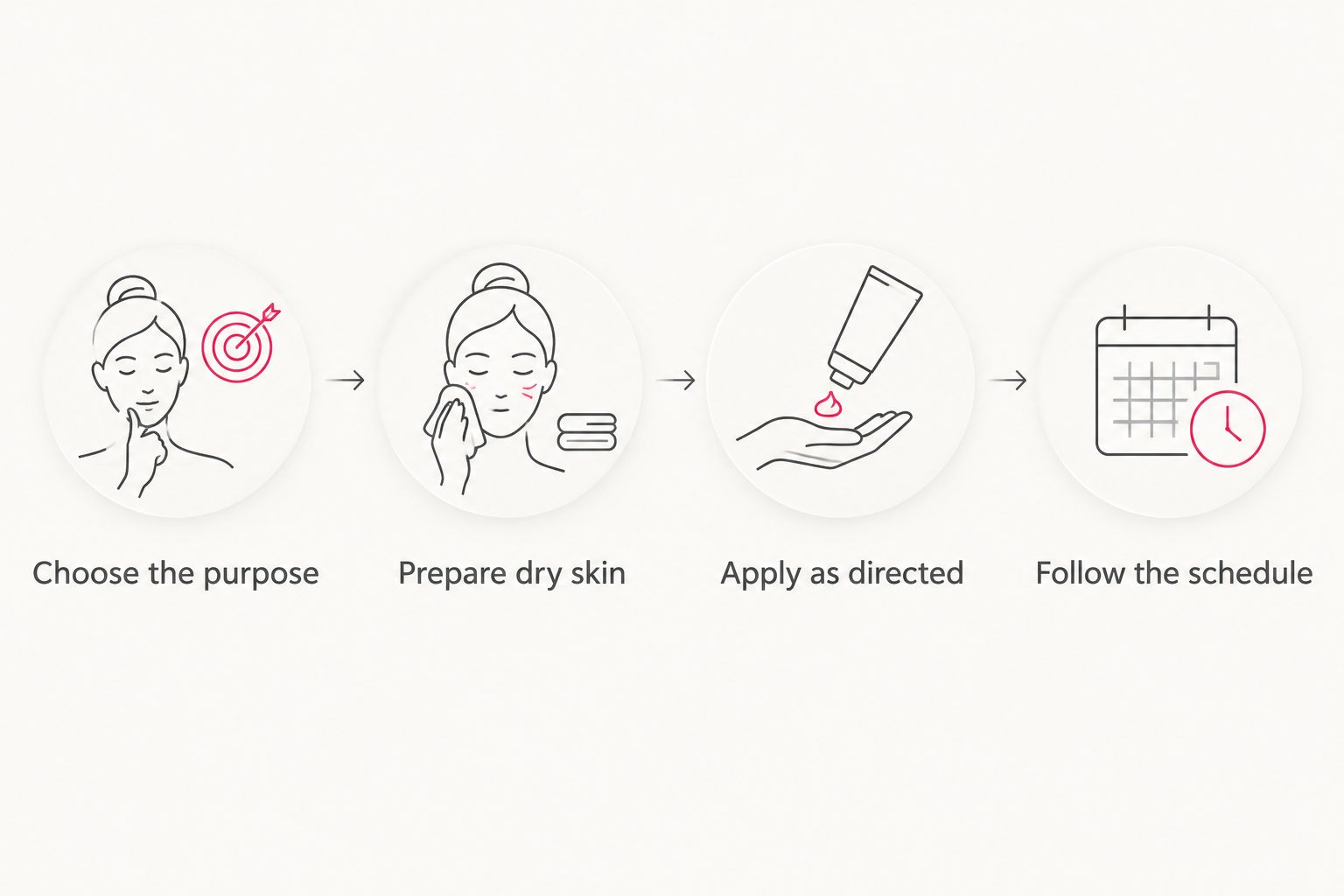
If a product still feels uncomfortable or your skin becomes irritated, do not solve that by adding another product. Stop use for rash or irritation and seek professional advice for persistent or severe reactions.
Why a fast-drying deodorant is not an antiperspirant substitute
Deodorant Body Spray has an unscented, lightweight, fast-drying description, but its role is body odor protection. It is not included in this antiperspirant ranking because that description does not establish sweat reduction.
That distinction matters when shopping by texture. You can prefer a spray’s application experience and still need a different product for wetness.
Deep Clean Body Wash has another job: washing away sweat, odor, and buildup. Cleansing prepares skin for a routine, but it does not prevent new perspiration or replace a leave-on antiperspirant.
Choose by function first, finish second. Otherwise, a product can meet your texture preference while leaving your original concern unchanged.
How these recommendations were ranked
The order prioritizes an explicitly stated fast-drying finish, followed by distinct daily and nighttime use cases. It also considers permitted body areas, fragrance, application steps, and limitations.
The product reference dated October 15, 2026 supports these format and usage distinctions. It does not provide comparable stopwatch measurements, so this is a practical selection guide—not evidence that one formula dries in fewer seconds than another.
Which antiperspirant should you choose?
Duradry Sweat Control Body Wipes are best for people seeking a stated fast-drying antiperspirant format for targeted body areas. Choose them when that combination fits your needs and you can follow their application schedule.
For everyday underarm sweat and odor, start with the stick. For heavier underarm sweating that needs additional support, consider the gel’s bedtime routine rather than searching only for a faster morning finish.
You do not need every format. Start with the product that addresses your main concern, and add a step only when it has a clear purpose.
FAQ
What is the fastest drying antiperspirant?
A fastest-drying winner requires comparable timed measurements. Among the Duradry antiperspirants covered here, Sweat Control Body Wipes have an explicit fast-drying description, but no measured head-to-head speed ranking is established.
Do antiperspirant wipes dry faster than sticks?
A wipe format alone does not establish faster drying than a stick. Compare the specific formulas and directions; the body wipes described here state fast drying, while the stick has no specified drying time.
Does a dry finish mean an antiperspirant has started controlling sweat?
A dry finish does not measure sweat reduction. Surface feel and antiperspirant performance are different outcomes, so follow the product’s application schedule rather than judging effectiveness by touch alone.
Should I use the nighttime gel just before getting dressed?
The Intensive Sweat Minimizing Gel belongs in a bedtime underarm routine, not a last-minute daytime application. Apply according to the current label and wash it off the following morning.
Can I use a fast-drying body deodorant instead of antiperspirant?
Choose body deodorant for odor care, not as a substitute for established sweat reduction. If wetness is your main concern, select an antiperspirant labeled for the intended area.
Will a clear or fast-drying finish prevent clothing marks?
A clear or fast-drying finish does not establish that a product prevents clothing marks. No stain-free or no-transfer guarantee is established for the antiperspirants in this guide.
What should I do if antiperspirant stings or causes a rash?
Stop use if rash or irritation occurs, as the antiperspirant labels direct. Do not increase the amount or continue through worsening symptoms; persistent or severe reactions warrant professional advice.
One last thing
The fastest finish is not always the most useful change to your routine. Moving an appropriate intensive product to bedtime addresses the morning scheduling problem without requiring an unsupported claim about drying speed.
Before your next application, check three things on the package: the intended area, the application timing, and whether you must wash it off. Use those directions to choose your next step.

