

Carpe makes antiperspirant lotions specifically for sweaty hands and feet, giving you a targeted starting point. The ceiling is topical treatment: another lotion is not the next step when correctly used antiperspirants leave persistent wetness. The best Carpe alternative in 2026 is Duradry if you need a broader sweat-care routine; tap-water iontophoresis if you need a different treatment approach for hands and feet.
- Compare Carpe alternatives by treatment method, body-area directions, and skin tolerance—not deodorant claims.
- Duradry is best for broader sweat care, not an assumed replacement for hand-and-foot treatment.
- Tap-water iontophoresis is a targeted alternative for persistent sweaty hands and feet.
- Stay with Carpe when its hand or foot lotion controls sweating without troublesome irritation.
Why this matters
Sweaty palms and damp feet create different practical problems. You need your hands comfortable enough to grip, type, and touch things; your feet need moisture management inside shoes. A pleasant fragrance does not answer either concern by itself.
Start with 2 separate goals: reducing wetness and managing odor. Antiperspirants reduce sweating. Deodorants address odor, while washing helps remove sweat and odor-causing buildup. These roles overlap in a routine, but they are not interchangeable.
For your 2026 shortlist, separate an everyday sweat-care purchase from treatment for persistent palm or sole sweating. That distinction prevents you from replacing a targeted antiperspirant with a product that solves a different problem.
Carpe alternatives at a glance
This comparison separates topical products from medical treatment. The right choice depends on what you need to change—not which option has the strongest-sounding name.
| Option | Best for | Standout feature | How it differs from Carpe | Main limitation |
|---|---|---|---|---|
| Carpe hand and foot antiperspirant lotions | A targeted topical routine | Products specifically intended for hands and feet | The benchmark for this comparison | Topical treatment does not control every case of excessive sweating |
| Duradry sweat care | A broader sweat-and-odor routine | Antiperspirants, deodorants, gels, washes, and wipes | Offers different product categories for different routine needs | Each product's directions must support the intended body area |
| Tap-water iontophoresis | Persistent palm and sole sweating | A device-based treatment using water and electrical current | Changes the treatment method rather than the lotion | Requires repeated sessions and maintenance |
| Prescription aluminum chloride antiperspirant | Clinician-guided topical treatment | A prescription approach to reducing sweat | Keeps treatment topical with medical guidance | Irritation can limit use |
| Botulinum toxin injections | Specialist-managed sweating after other approaches fall short | Temporarily interrupts signals that activate sweat glands | Treats sweating through injections rather than daily lotion | Injections, repeat treatment, and site-specific risks |
There is no honest universal winner here. A body wash cannot replace sweat reduction, and a medical procedure is not necessary just because you dislike a lotion's texture. Match the intervention to the actual problem.
1. Duradry: best for a broader sweat-care routine
Duradry is a sweat-care brand offering clinical-strength antiperspirants, deodorant sticks, sweat-minimizing gels, body washes, and wipes. That makes it relevant when your routine needs more than a hand lotion—for example, separate products for sweat reduction, odor management, and cleansing.
The Sweat Minimizing Gel is one format to evaluate within that range. Check its current directions before deciding where to use it; a gel format alone does not establish that a product belongs on palms or soles.
Where Duradry shines
- Broader routine choices: You can distinguish antiperspirant, deodorant, wash, and wipe roles instead of treating every concern as the same issue.
- Different formats: Sticks, gels, washes, and wipes let you evaluate how a product fits your routine.
- Sweat and odor focus: The range addresses both concerns, although individual products have different jobs.
Where Duradry falls short
- A broader catalog is not evidence that every product treats sweaty hands or feet.
- Cleansing and deodorizing products do not replace antiperspirants when wetness is the main concern.
- Changing brands does not necessarily change the treatment approach if you still choose a topical antiperspirant.
| Dimension | Duradry sweat care | Carpe hand and foot lotions |
|---|---|---|
| Main selection question | Which product category fits your routine? | Which targeted lotion fits the body area? |
| Range described here | Antiperspirants, deodorants, gels, washes, wipes | Hand and foot antiperspirant lotions |
| Palm or sole use | Follow the individual product's directions | Choose the corresponding hand or foot product |
| Persistent sweating | Reassess treatment if topical care is insufficient | Reassess treatment if topical care is insufficient |
Best for: People choosing a broader sweat-and-odor routine rather than assuming every concern needs the same product.
Verdict: Buy for the broader routine; skip an individual product if its directions do not support your intended use.
2. Tap-water iontophoresis: best for persistent hands-and-feet sweating
Tap-water iontophoresis treats sweating by passing a mild electrical current through water while your hands or feet sit in treatment trays. It is an established treatment for palm and sole hyperhidrosis, the medical term for excessive sweating.
This is the clearest change in approach on a 2026 Carpe alternatives shortlist. Instead of trying another topical texture, you move to a device-based treatment with an initial treatment schedule and ongoing maintenance.
Where tap-water iontophoresis shines
- Targets palms and soles: These are established treatment areas for iontophoresis.
- Changes the method: You are not simply replacing one antiperspirant lotion with another.
- Supports ongoing management: Maintenance treatment is part of the approach rather than an unexpected extra step.
Where tap-water iontophoresis falls short
- Sessions require time, setup, and consistency.
- Skin discomfort or irritation can interfere with treatment.
- Medical conditions and implanted devices affect suitability; review device contraindications and clinician guidance before starting.
| Dimension | Tap-water iontophoresis | Carpe hand and foot lotions |
|---|---|---|
| Method | Water trays and electrical current | Topical antiperspirant |
| Routine | Treatment sessions plus maintenance | Application according to product directions |
| Equipment | Treatment device | Lotion |
| Key suitability check | Medical and device contraindications | Body-area directions and skin tolerance |
Do not improvise an electrical setup or borrow someone else's schedule. Follow the specific device instructions and ask a clinician whether home treatment is appropriate for you.
Best for: People whose palm or sole sweating remains disruptive despite correctly used topical antiperspirants.
Verdict: Hold until you confirm suitability, then consider it as a targeted next step.
3. Prescription aluminum chloride: best for guided topical treatment
Prescription aluminum chloride antiperspirants give you a clinician-guided topical option for excessive sweating. They remain in the same broad treatment family as other antiperspirants, so this is an adjustment within topical care—not a completely different method.
Application matters. Aluminum chloride can irritate skin, and clinicians commonly advise applying it to completely dry skin according to the prescribed schedule. More product is not automatically better treatment.
Where prescription aluminum chloride shines
- Provides a topical treatment option with medical guidance.
- Lets you discuss application, irritation, and treatment response with a clinician.
- Fits people who want to assess another antiperspirant approach before considering a device or procedure.
Where prescription aluminum chloride falls short
- Irritation can make consistent use difficult.
- It does not guarantee control when other topical antiperspirants have fallen short.
- You still need a routine and the correct directions for the treatment area.
| Dimension | Prescription aluminum chloride | Carpe hand and foot lotions |
|---|---|---|
| Treatment family | Topical antiperspirant | Topical antiperspirant |
| Guidance | Prescriber-directed | Product-label directions |
| Application | Follow the prescribed schedule | Follow the product schedule |
| Main trade-off | Sweat reduction versus irritation | Sweat reduction versus irritation |
Best for: People who want a clinician to guide the next topical treatment decision.
Verdict: Hold for a medical assessment rather than choosing by strength claims alone.
4. Botulinum toxin injections: best for specialist-managed sweating
Botulinum toxin injections temporarily block nerve signals that stimulate sweating. Dermatologists use this treatment for hyperhidrosis, including selected cases involving hands or feet.
In the United States, treatment of palm and sole sweating is off-label; the FDA-approved hyperhidrosis indication is severe primary underarm sweating inadequately managed with topical agents. Discuss the proposed treatment site, expected benefit, and risks with the treating clinician.
Where botulinum toxin injections shine
- Offer a different treatment route when topical care is insufficient.
- Allow a specialist to target the affected area.
- Reduce reliance on applying an antiperspirant to the treated area, although repeat treatment is needed.
Where botulinum toxin injections fall short
- Palm and sole injections can be painful.
- Hand treatment can cause temporary muscle weakness.
- Benefits are temporary, and treatment requires a qualified clinician.
Unlike Carpe, this is a procedure rather than a home lotion routine. For your 2026 decision, the relevant comparison is treatment burden and suitability—not which product feels nicer after application.
Best for: People discussing persistent, disruptive sweating with a specialist after other approaches prove insufficient.
Verdict: Hold for specialist evaluation; skip self-directed treatment decisions.
Why people switch from Carpe
Switching makes sense when you can identify the problem the replacement must solve. These are treatment-based reasons to reconsider a routine, not claims about how often Carpe users experience them.
- Persistent wetness: Correctly used topical treatment still leaves your hands or feet wet enough to interfere with daily activities.
- Skin discomfort: Irritation makes the current routine difficult to continue.
- Routine mismatch: You dislike how the product fits into handwashing, dressing, or footwear habits.
- Different goals: You also need odor management or cleansing, which calls for separate product roles.
- Treatment mismatch: You need a different method, not another antiperspirant with a different label.
Before switching, check how you have been using the current product. Skipping label directions makes it difficult to judge whether the treatment itself is insufficient.
Do not assume a new deodorant will fix a sweat-control problem. If wetness is the issue, keep your comparison focused on antiperspirants or established hyperhidrosis treatments.
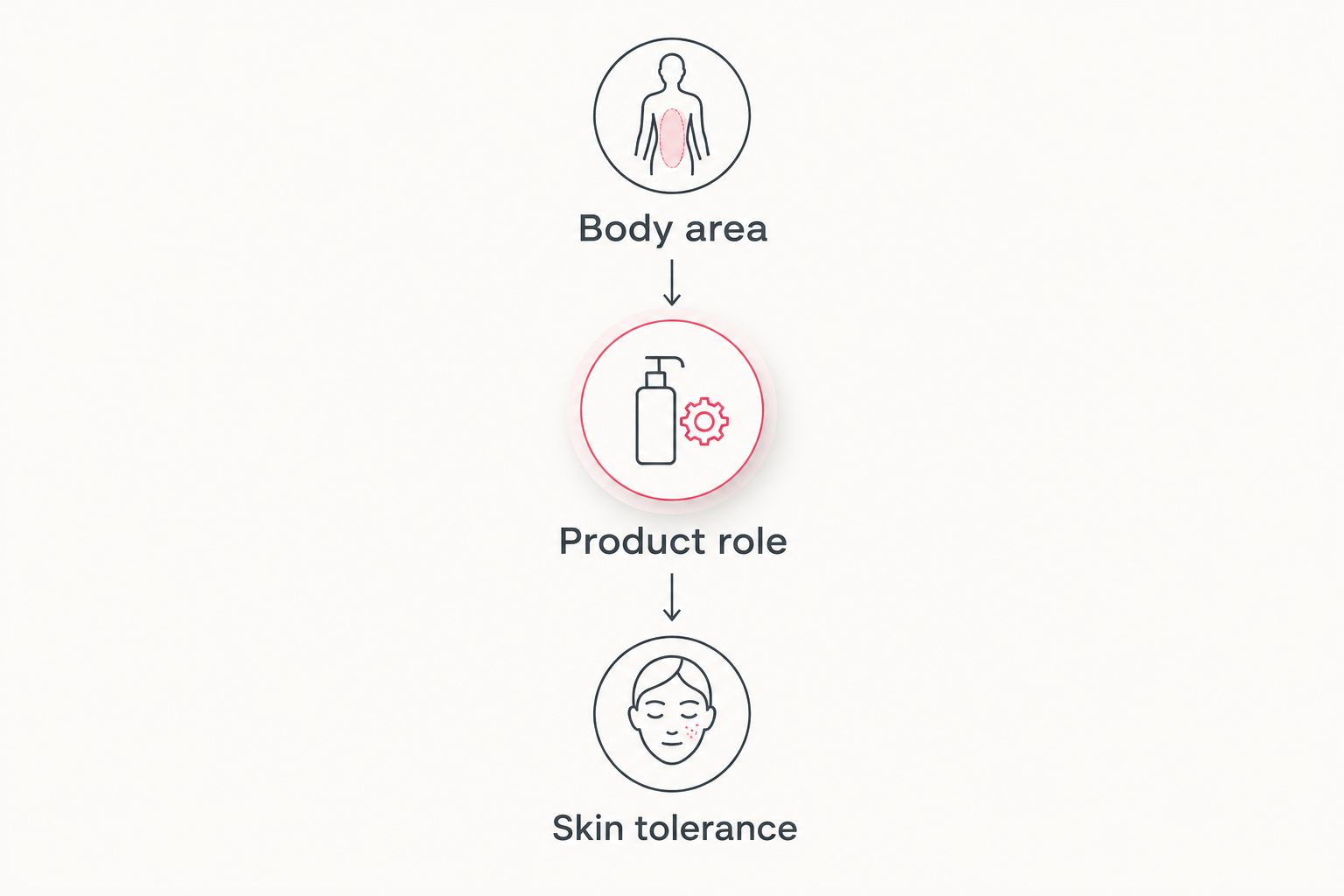
Make these 3 label checks before choosing
Use this sequence for your 2026 comparison: Body area, Product role, Skin tolerance. It works whether you are evaluating a gel, a stick, or a targeted lotion.
- Body area: Confirm that the directions support use on your intended area. A whole-body claim is not permission to apply a product everywhere.
- Product role: Establish whether it reduces sweating, manages odor, or cleanses. Match that role to your main concern.
- Skin tolerance: Follow warnings and stop using a product that causes troublesome irritation. Ask a clinician about persistent reactions.
For feet, moisture management also includes drying thoroughly and changing damp socks. For hands, focus on treatment instructions rather than repeatedly layering products whenever your palms feel wet.
Sudden sweating, new night sweats, or sweating alongside other symptoms deserves medical assessment. Do not treat a new pattern as merely a reason to shop for another lotion.
When staying with Carpe is the right call
Stay with Carpe if the appropriate hand or foot product controls your sweating, your skin tolerates it, and the routine fits your day. A working treatment does not need replacing because a comparison page lists alternatives.
You can also keep a targeted hand-and-foot product while choosing separate products for other sweat-care needs. Those decisions do not have to compete.
For 2026, judge success by your actual problem: less disruptive wetness, manageable skin comfort, and a routine you can follow. A longer ingredient list comparison is not a substitute for those outcomes.
FAQ
What's the best Carpe alternative for sweaty hands?
Tap-water iontophoresis is a targeted alternative when correctly used topical antiperspirants do not adequately control sweaty palms. Confirm medical suitability and follow the device's treatment instructions.
What's the best Carpe alternative for sweaty feet?
The best next step depends on whether you need another topical treatment or a different treatment method. Tap-water iontophoresis is an established option for sole sweating; prescription antiperspirants are another option to discuss with a clinician.
Is Duradry better than Carpe for hands and feet?
Duradry is best for a broader sweat-care routine, not an automatic replacement for a targeted hand or foot lotion. Check the individual product's directions before using it on palms or soles.
Can deodorant stop my palms from sweating?
Deodorant alone does not reduce sweating. Choose an antiperspirant intended for the area or discuss hyperhidrosis treatment with a clinician.
Should I use a stronger antiperspirant if Carpe isn't working?
Do not choose by strength claims alone. First check application directions, skin tolerance, and whether a different treatment method is more appropriate.
Are injections approved for sweaty hands and feet?
Botulinum toxin treatment for palm and sole sweating is off-label in the United States. A qualified clinician should explain the treatment, alternatives, and site-specific risks, including temporary hand weakness.
When should I see a doctor about sweaty hands or feet?
Seek medical advice when sweating disrupts daily activities, persists despite appropriate topical care, or changes unexpectedly. Sudden sweating, new night sweats, or accompanying symptoms need assessment rather than another product purchase.
One last thing
Your hands and feet do not have to use the same treatment simply because both sweat. Evaluate each area separately, including skin tolerance and how symptoms affect your day.
Choose the next treatment by what failed: the product role, the application routine, or the treatment method. That is a more useful 2026 decision than switching brands without changing anything else.

