

Best overall: a body-site-approved antiperspirant lotion for reducing wetness. Best lotion alternative: Duradry Sweat Minimizing Gel for readers considering a gel format. Best portable refresh: sweat-control body wipes, with sweat-reduction claims checked separately from cleansing claims. This 2026 guide separates products that reduce sweating from products that simply help you feel fresher.
- The best drying lotion for sweating is an antiperspirant labeled for the body area you want to treat.
- Duradry Sweat Minimizing Gel belongs on your shortlist when you prefer a gel to a lotion.
- Sweat-control wipes require a label check: cleansing, odor control, and sweat reduction are different benefits.
- Prescription sweating cloths belong in a clinician-led treatment plan, not a casual whole-body routine.
Why this matters
A dry finish does not prove a product reduces sweat. Deodorants address odor; antiperspirants reduce perspiration. Your best choice starts with that distinction, not the texture.
What makes the best drying lotion for sweating
- Purpose: An explicit sweat-reduction claim.
- Body site: Directions covering your intended application area.
- Skin comfort: Warnings you can follow without irritating skin.
- Format: Lotion, gel, stick, or wipe that suits your routine.
- Instructions: Clear application and reapplication directions.
Best sweating lotions and wipes at a glance
| Rank and option | Best for | Standout feature | Key limitation |
|---|---|---|---|
| 1. Antiperspirant lotion | Targeted wetness reduction | Lotion application with a labeled antiperspirant purpose | Not every drying lotion is an antiperspirant |
| 2. Duradry Sweat Minimizing Gel | Readers considering a lotion alternative | Gel format within a sweat-care range | Check directions before using beyond underarms |
| 3. Sweat Control Body Wipes | Portable body-care touch-ups | Wipe application | The name alone does not establish active ingredients or treatment sites |
| 4. Sweat Control Stick | Readers who prefer stick application | Stick format within a sweat-care range | Not a lotion or wipe; follow its own application directions |
| 5. Prescription anticholinergic cloth | Diagnosed excessive underarm sweating | A prescription treatment applied with a cloth | Requires medical assessment and specific safety precautions |
The ranking separates different jobs rather than treating every format as interchangeable. For your 2026 shortlist, choose the purpose first and the texture second. A product that feels pleasant but does not address your main concern is the wrong match.
1. Antiperspirant lotion: best for targeted wetness reduction
An antiperspirant lotion is the strongest category match when your goal is less wetness rather than odor control alone. Look for an antiperspirant indication and directions covering the area you want to treat. The word drying is not enough.
Some lotions absorb surface moisture or leave a powdery finish without reducing sweat production. Those functions can improve comfort, but they are different from antiperspirant action. Read the label before deciding that a lotion belongs in your sweating routine.
Antiperspirant lotion pros:
- Directly matches a sweat-reduction goal when labeled as an antiperspirant.
- Offers a lotion format for readers who dislike sticks.
- Gives you application instructions tied to a specific product and body site.
Antiperspirant lotion cons:
- The format alone says nothing about strength or effectiveness.
- Antiperspirants can irritate skin, especially when used contrary to directions.
- A product intended for underarms is not automatically appropriate elsewhere.
Best for: You want targeted wetness control and have found a lotion explicitly labeled for the relevant area.
Verdict: Buy only after confirming the antiperspirant purpose and permitted application site. Skip cosmetic drying lotions if reducing sweat is your main requirement.
2. Duradry Sweat Minimizing Gel: best for a lotion alternative
Sweat Minimizing Gel is a named option in the brand's sweat-care range. It gives you a gel-format alternative to consider alongside lotions, sticks, and wipes. Check the current product directions for its application sites, ingredients, and use instructions.
Duradry is a sweat-care option for people who want protection products rather than odor coverage alone. That positioning does not make every product suitable for every body area. Treat the individual label as the decision-maker.
If your search for the best drying lotion for sweating really means you want a spreadable product, a gel belongs in the comparison. If you need a particular active ingredient or a specific approved application site, texture takes second place. Do not infer either detail from the product name.
Sweat Minimizing Gel pros:
- Provides an alternative to lotion and stick formats.
- Appears within a range explicitly focused on sweat care.
- Lets you evaluate a named product rather than a vague drying-lotion category.
Sweat Minimizing Gel cons:
- A gel format does not establish drying speed, residue, or wear time.
- Suitability for hands, feet, skin folds, or other areas requires checking directions.
- The product name alone does not establish how it compares with an antiperspirant lotion.
Best for: You prefer a gel-format candidate and will check that its directions match your concern.
Verdict: Hold until the label confirms the intended site and application routine. Choose it for a verified fit, not an assumed performance advantage.
3. Sweat Control Body Wipes: best for portable touch-ups
Sweat Control Body Wipes are a wipe-format option in the client's body-care range. Wipes suit a different decision from lotions: you are choosing an application method that can fit into a touch-up routine. Confirm whether the product's stated purpose is cleansing, odor management, sweat reduction, or a combination.
A cleansing wipe can remove sweat already on your skin without preventing the next episode of sweating. An antiperspirant wipe has a different purpose and its own directions. Neither should be confused with a prescription sweating cloth.
For a 2026 travel or work routine, decide what you need the wipe to accomplish before adding it to your bag. A refresh after a commute and treatment for persistent underarm wetness are separate jobs. Your product choice should reflect that difference.
Sweat Control Body Wipes pros:
- Offer a wipe format for portable body-care routines.
- Give you an alternative to applying a lotion or stick.
- Can be assessed as a separate touch-up step rather than a replacement for every other product.
Sweat Control Body Wipes cons:
- Wipe format does not establish how long a benefit lasts.
- Sweat already removed from the surface can return.
- Body-area restrictions and reapplication instructions still matter.
Best for: You want a portable wipe option and have confirmed that its stated benefit matches your needs.
Verdict: Buy for the verified label purpose; skip the assumption that every sweat-care wipe prevents sweating.
4. Sweat Control Stick: best for readers who prefer stick application
Sweat Control Stick is another named option in the sweat-care range. It belongs in this comparison because a lotion is not always the format you actually want. Check the product's current directions and antiperspirant labeling before selecting it for wetness reduction.
A stick can be a better routine fit if you prefer that application method. It does not become better or worse at controlling sweat simply because it is solid. The formula, intended site, and correct use matter more than the format.
Keep your 2026 routine focused. If a stick already addresses your concern and feels comfortable, adding a lotion and wipe to the same area is not automatically an improvement. Avoid layering active products without guidance on compatibility.
Sweat Control Stick pros:
- Offers a non-lotion application format.
- Provides a clear alternative for readers who prefer sticks.
- Helps you compare routine fit instead of shopping by the word drying alone.
Sweat Control Stick cons:
- Does not meet a strict preference for a lotion or wipe.
- The name does not establish residue, fragrance, or wear time.
- Directions for one application area do not authorize use across the body.
Best for: You prefer stick application and can verify that the product addresses your sweat concern.
Verdict: Buy when the label and format fit; skip if you specifically need a lotion or a wipe.
5. Prescription anticholinergic cloth: best for clinician-led care
Prescription anticholinergic cloths are a treatment category for excessive underarm sweating. They act differently from ordinary cleansing wipes and require medical assessment. They are not interchangeable with cosmetic body wipes.
Prescription glycopyrronium cloth labeling includes precautions about handwashing, eye exposure, and reduced sweating in hot conditions. Follow the specific medication instructions rather than adapting a cosmetic-wipe routine. A clinician should assess whether the treatment fits your symptoms and health history.
Prescription anticholinergic cloth pros:
- Offers a medical treatment pathway for diagnosed excessive underarm sweating.
- Addresses sweating rather than relying on odor coverage.
- Comes with medication-specific instructions and precautions.
Prescription anticholinergic cloth cons:
- Requires a prescription and suitability assessment.
- Can cause side effects, including dry mouth and blurred vision.
- Is not a general-purpose whole-body wipe.
Best for: Excessive underarm sweating that needs a clinician-led treatment plan.
Verdict: Hold for medical assessment. Do not substitute a prescription cloth for an ordinary body-care wipe or apply it to unapproved areas.
How this ranking works
This is a purpose-and-format ranking, not a claim that one formula outperformed another in testing. Antiperspirant lotion takes the default slot because it directly matches a search for a sweating lotion. Gel, body wipes, and sticks each receive a separate routine-fit slot; prescription cloths sit in the medical-care category.
The criteria are the same across the list: labeled purpose, permitted body site, skin comfort, format, and instructions. No wear-time comparison belongs in a 2026 buying decision without product-specific support. Neither does a potency ranking based only on names.
Before you apply anything beyond your underarms
Hands, feet, the chest, and skin folds are not interchangeable application sites. Check the label for the exact area you want to treat. Whole-body marketing language does not replace site-specific directions.
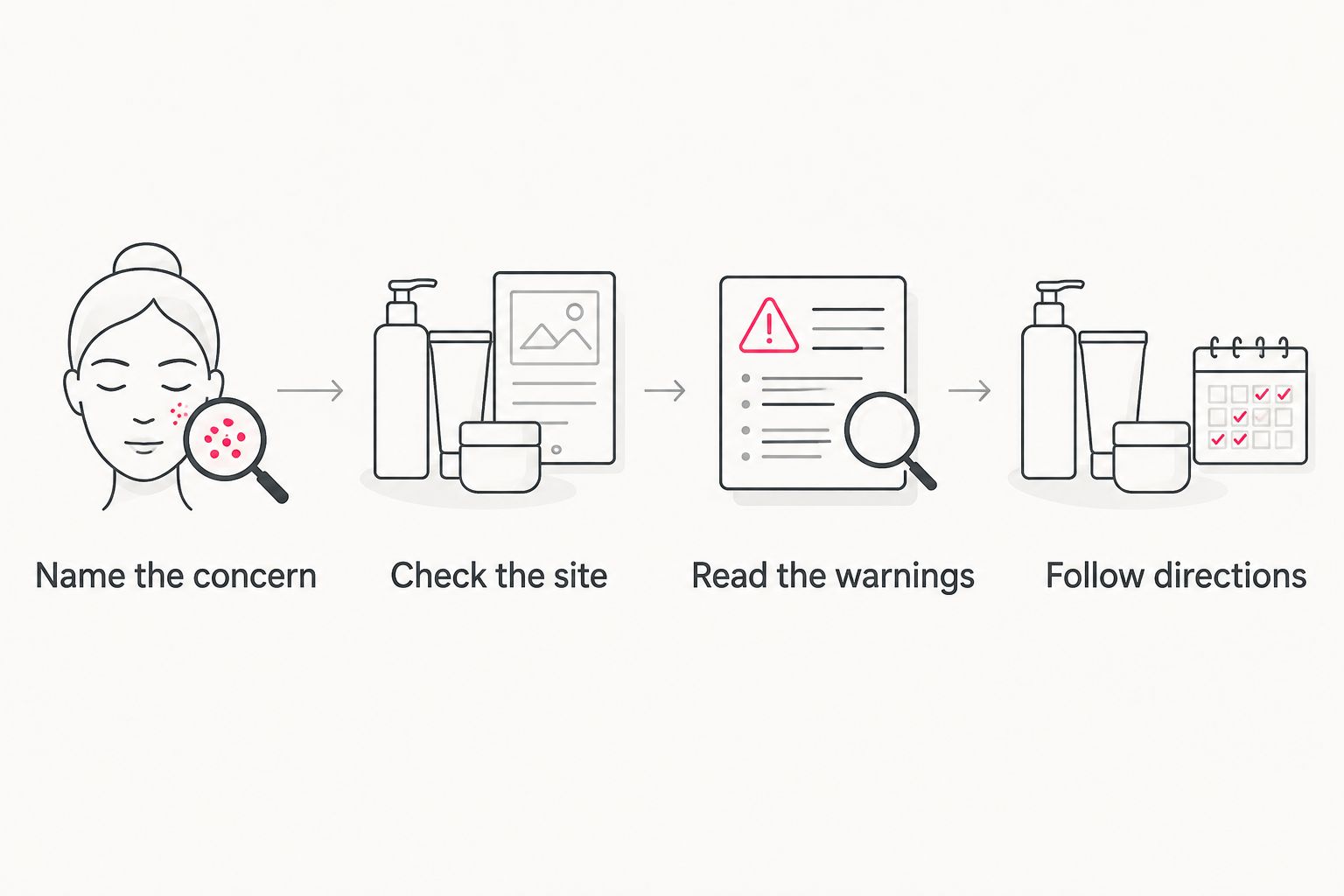
Use this sequence before trying a new sweat-care product:
- Name the concern: Is it wetness, odor, or surface refreshment?
- Check the site: Do the directions cover that area?
- Read the warnings: Look for restrictions involving broken skin, shaving, eyes, and sensitive areas.
- Follow directions: Use the stated method rather than borrowing instructions from another product.
Do not apply an ordinary sweat-care product to genital tissue or mucous membranes unless its directions explicitly permit that use. Stop using a product that causes irritation. Persistent discomfort needs medical advice, not another layer of product.
Sudden unexplained sweating, drenching night sweats, or sweating accompanied by other symptoms also deserves medical assessment. Sweating with chest pain, faintness, or shortness of breath requires urgent care. A shopping guide is not a substitute for evaluating those symptoms.
Which sweating lotion or wipe should you choose?
Choose a site-approved antiperspirant lotion when wetness reduction is your main goal. That is the default answer to the best drying lotion for sweating question. Choose a gel or stick instead when the verified directions fit and you prefer that format.
Duradry gives you several sweat-care formats to consider, but the product label should settle the choice. For wipes, distinguish refreshing the skin from preventing sweat. For persistent excessive sweating that interferes with daily life, ask a clinician about treatment rather than repeatedly adding cosmetic steps.
For your 2026 routine, start with the product that addresses the main concern. Keep other steps only when they serve a separate purpose and their instructions allow them together.
FAQ
What's the best drying lotion for sweating?
The best drying lotion for sweating is an antiperspirant lotion labeled for your intended body area. A cosmetic lotion that leaves a dry finish does not necessarily reduce perspiration.
Is Duradry Sweat Minimizing Gel better than a drying lotion?
Neither format is automatically better. Compare the gel's current directions with the lotion's labeled purpose, application site, and warnings before choosing.
Do sweat-control wipes actually stop sweating?
Only wipes with an appropriate sweat-reduction purpose should be selected to reduce perspiration. Cleansing wipes remove surface sweat but do not automatically prevent more sweating.
Can I use a drying lotion on my hands or feet?
Use a drying lotion on your hands or feet only when its directions permit that application. An underarm product is not automatically suitable for other areas.
Are prescription sweating cloths the same as body wipes?
No, prescription sweating cloths are medications with specific indications and safety instructions. Ordinary body wipes are not substitutes for prescription treatment.
Can I combine a sweat lotion, gel, and wipe?
Combine products only when their instructions allow the routine. Layering active treatments on the same area without guidance can increase irritation.
When should I see a doctor about excessive sweating?
Seek medical advice when sweating is persistent, disrupts daily life, starts unexpectedly, or occurs as drenching night sweats. Sweating with chest pain, faintness, or shortness of breath requires urgent care.
One last thing
A dry-feeling finish is a texture result, not proof of sweat reduction. Before choosing your next product, read its stated purpose before its fragrance description. That single habit separates a useful sweat-care decision from a purchase that solves the wrong problem.

