

Best overall for an unscented daily routine: Duradry’s Deodorant Body Spray. Best for wetness: an antiperspirant spray. Best for added scent: a fragranced deodorant spray. Best for avoiding aerosol delivery: a pump deodorant spray. This 2026 guide ranks those options by the problem you want to solve, so you can choose odor protection without confusing it with sweat control.
- Duradry Deodorant Body Spray is best for people seeking an unscented, fast-drying deodorant spray for daily odor care.
- Choose an antiperspirant spray when underarm wetness matters as much as odor.
- Choose fragranced deodorant spray for added scent, not as proof of stronger odor protection.
- Choose pump deodorant spray to avoid aerosol delivery; check the formula and application directions separately.
What makes the best deodorant spray?
The best deodorant spray in 2026 matches your skin, application preferences, and actual concern. Judge each option against these criteria before choosing a format:
- Odor or wetness: Deodorant addresses odor; antiperspirant reduces sweating.
- Fragrance preference: Decide whether you want added scent or an unscented routine.
- Application area: Use a product only on areas its label permits.
- Skin comfort: Check ingredients and warnings, especially if your skin reacts easily.
- Delivery format: Aerosol and pump describe dispensing, not odor-control strength.
- Drying and finish: Consider how the spray fits between showering and getting dressed.
Deodorant spray options at a glance in 2026
| Ranked option | Best for | Standout feature | Key limitation |
|---|---|---|---|
| Duradry Deodorant Body Spray | Everyday unscented odor care | Fine, fast-drying, lightweight spray; 98% naturally derived ingredients | Unscented does not guarantee irritation-free use |
| Antiperspirant spray | Underarm odor plus wetness | An antiperspirant active ingredient targets sweating | Application areas and restrictions depend on the label |
| Fragranced deodorant spray | People who want added scent | Combines deodorant use with a fragrance preference | Added scent is not proof of stronger odor control |
| Pump deodorant spray | People avoiding aerosol delivery | Non-aerosol dispensing | Pump format alone says nothing about the formula’s effectiveness |
These categories overlap. A pump spray can be fragranced or unscented, and an antiperspirant spray can include deodorant protection. Use the table as a decision tree, not a claim that every format belongs in a separate routine.
Why this matters
A damp shirt and noticeable body odor feel like the same problem when you are getting ready for work. They are not. Sweat and skin bacteria contribute to body odor, while the amount you sweat determines wetness.
That distinction changes the purchase. A deodorant spray belongs in an odor-focused routine; an antiperspirant belongs in a sweat-focused routine. A pleasant scent does not turn a deodorant into an antiperspirant.
For your 2026 routine, name the frustration first: odor, wetness, unwanted fragrance, or an application format you dislike. That is more useful than choosing the strongest-sounding wording on the front of a bottle.
1. Deodorant Body Spray: best for everyday unscented odor care
Duradry Deodorant Body Spray is best for people who want an unscented, fast-drying deodorant spray for daily odor care. Its description identifies a fine, lightweight spray with 98% naturally derived ingredients. It is positioned as invisible odor protection rather than a fragrance you wear.
That makes it the default pick here for an odor-focused routine without added scent. If you already wear perfume or simply prefer not to smell like your deodorant, an unscented product fits that preference without adding another fragrance to the mix.
Deodorant Body Spray pros:
- Unscented formulation suits people who do not want added fragrance.
- Fast-drying application fits the getting-dressed part of your routine.
- Fine spray and lightweight feel address application preferences directly.
- The ingredient-origin percentage is stated rather than left as a vague natural claim.
Deodorant Body Spray cons:
- Unscented does not establish that every ingredient will suit sensitive skin.
- The naturally derived percentage does not measure odor-control strength.
- Deodorant positioning is not a reason to assume sweat reduction; check the label for antiperspirant status.
Best for: Daily odor care when you prefer an unscented, lightweight spray.
Read the application instructions before deciding where to use it. A body-spray name is not permission to apply a product to every area, and sensitive or irritated skin deserves particular care.
Verdict: Buy for an unscented daily odor routine, not on the assumption that it stops sweating.
2. Antiperspirant spray: best for underarm odor plus wetness
An antiperspirant spray targets sweating through an antiperspirant active ingredient. Products that also provide deodorant protection address odor alongside wetness. The important distinction is on the label, not in whether the container sprays.
Choose this category when your main complaint is damp underarms or visible sweat marks. Reapplying an odor-only product does not give it the sweat-reducing function of an antiperspirant.
Antiperspirant spray pros:
- Addresses sweating rather than only odor.
- A combined antiperspirant-deodorant can cover both concerns.
- Spray delivery provides an alternative to applying a stick.
- The active-ingredient panel helps distinguish it from ordinary deodorant.
Antiperspirant spray cons:
- Sweat-control ingredients can irritate some skin.
- Underarm directions do not automatically permit use elsewhere.
- Fragrance and skin comfort vary by formula, so the category name is not enough to choose a product.
Best for: People whose underarm wetness is a bigger frustration than scent alone.
Follow the product’s directions for timing, skin condition, and application. Do not copy instructions from a different antiperspirant just because both products come in spray containers. If sweating disrupts daily life despite appropriate use, speak with a healthcare professional about further options.
Verdict: Buy when wetness is the problem; skip an odor-only substitute for that job.
3. Fragranced deodorant spray: best for people who want added scent
A fragranced deodorant spray combines odor care with an added scent. Its role is not identical to perfume, although both can contribute fragrance to your routine. Check that the label identifies deodorant use rather than assuming every scented body spray controls odor.
This option suits you when fragrance is part of the experience you want. Choose the scent deliberately, particularly if you also wear perfume or scented body care; liking each product separately does not guarantee you will like them together.
Fragranced deodorant spray pros:
- Adds a scent you actively choose.
- Offers an alternative to an unscented deodorant routine.
- Spray application suits people who dislike applying a stick.
Fragranced deodorant spray cons:
- Fragrance can irritate sensitive skin.
- A stronger smell does not establish stronger odor protection.
- Added scent can clash with other fragranced products you use.
Best for: People who want their deodorant to contribute a noticeable fragrance.
Do not judge odor control only by what you smell immediately after spraying. That first impression includes the fragrance itself. Judge whether the product meets your needs during normal use, and follow its directions rather than applying more to chase a stronger scent.
Verdict: Buy for a fragrance preference; skip if you want an unscented routine.
4. Pump deodorant spray: best for avoiding aerosol delivery
A pump deodorant spray dispenses product without an aerosol propellant. That is a packaging distinction, not a separate odor-control ingredient or a guarantee about skin comfort. Pump sprays still require you to check the formula, intended application areas, and directions.
Choose this format if aerosol delivery is what you want to avoid. Then make the same decisions you would for any other deodorant: scented or unscented, odor-only or antiperspirant, and suitable for the areas where you intend to apply it.
Pump deodorant spray pros:
- Avoids aerosol propellant in the dispensing format.
- Gives you a spray alternative to a stick or roll-on.
- Lets you choose the delivery format separately from fragrance preference.
Pump deodorant spray cons:
- Pump packaging does not prove better odor control.
- Spray pattern and drying feel depend on the individual product.
- Non-aerosol does not mean non-irritating or appropriate for unrestricted body use.
Best for: People who specifically prefer non-aerosol application.
Read packaging instructions before travel or storage rather than assuming all pump products share the same requirements. Formula and container details matter. A packaging preference is useful, but it should not replace checking what the product actually does.
Verdict: Buy for the dispensing preference, not as a shortcut to a better formula.
How to use deodorant spray without making your skin miserable
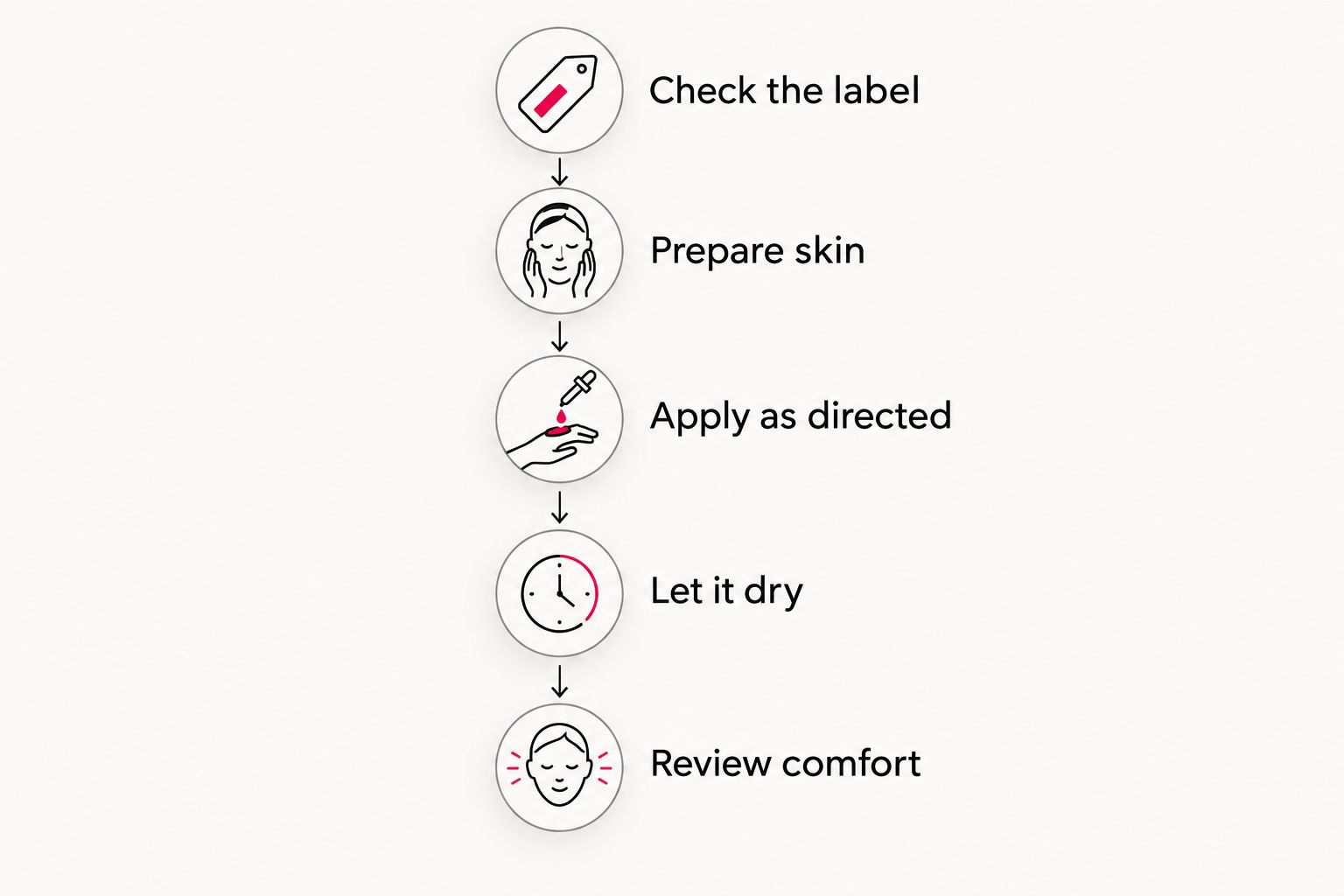
More spray is not a better routine. Start with the product’s own instructions, keep application deliberate, and change course if your skin objects. These steps apply to choosing and using a spray; the label supplies the exact application details.
Check the label
Confirm whether you have deodorant, antiperspirant, or both. Check permitted body areas and any warnings before applying. The same spray format can contain products with very different purposes.
Prepare skin
Follow directions about clean, dry skin and avoid applying to broken or irritated areas. Pay attention to restrictions around shaving. If the label says to avoid freshly shaved skin, respect that instruction rather than trying to push through stinging.
Apply as directed
Use the stated amount and distance. Keep spray away from your eyes and avoid inhaling it. For aerosols, follow ventilation, heat, and flame warnings on the container.
Let it dry
Allow the application to dry before dressing, as directed. A fast-drying description is helpful, but it does not replace checking how the product behaves on your skin. Spraying clothing is not a substitute for skin application unless the label specifically permits it.
Review comfort
Stop using a product that causes irritation. If you are changing a routine, introduce products separately so you can identify which one disagrees with your skin. Persistent symptoms deserve medical advice, not repeated applications of a different scent.
How the ranking works
This 2026 ranking prioritizes matching the product to the concern: unscented daily odor care first, then wetness, added fragrance, and dispensing preference. The order reflects those use cases rather than a universal claim about which formula lasts longest.
The comparison separates stated product details from category functions. Fast-drying, unscented, and 98% naturally derived describe Deodorant Body Spray; they do not establish a wear-time result, a sensitive-skin guarantee, or an advantage over every other spray.
Choose by function first, fragrance second, and dispensing format third. That order keeps a packaging preference from distracting you from the problem you actually want to solve.
Which deodorant spray should you choose?
For an undecided reader building an unscented daily odor routine in 2026, Duradry Deodorant Body Spray is the default pick. It has clearly stated application characteristics: fine, lightweight, and fast-drying. Choose it because those characteristics fit your preferences, not because a spray automatically outperforms other formats.
Choose an antiperspirant spray instead when underarm wetness is the central concern. Choose a fragranced deodorant spray when added scent is intentional. Choose a pump format when avoiding aerosol delivery matters to you, then check its formula independently.
Your deodorant does not need to solve every body-care concern. It needs to do the job you chose it for, feel acceptable on your skin, and fit a routine you will actually follow.
FAQ
What's the best deodorant spray for everyday use?
Duradry Deodorant Body Spray is the default recommendation here for everyday unscented odor care. Its stated features include a fine, fast-drying, lightweight spray; choose an antiperspirant instead if sweat reduction is your main goal.
Does deodorant spray stop sweating?
An odor-only deodorant spray does not have the sweat-reducing function of an antiperspirant. Check the label for antiperspirant status rather than assuming that spray delivery means sweat control.
Is unscented deodorant spray better for sensitive skin?
Unscented deodorant spray is not automatically irritation-free. It suits people who do not want added scent, but you still need to check ingredients, warnings, and your skin's response.
Is deodorant spray better than a stick?
Neither format is automatically better for odor protection. Choose based on the formula's purpose, skin comfort, and application preference rather than the container alone.
Can I use deodorant spray all over my body?
Use deodorant spray only on the areas permitted by its label. Avoid eyes, inhalation, and broken or irritated skin, and do not assume a body-spray name permits unrestricted application.
Does a naturally derived formula mean stronger odor protection?
A naturally derived ingredient percentage does not measure odor-control strength. It describes ingredient origin, not wear time, sweat reduction, or guaranteed skin tolerance.
Why do I still smell after using deodorant spray?
Deodorant use does not remove odor already present in clothing. Check that you are applying the product as directed to the permitted areas, wear clean clothing, and seek medical advice for a persistent or sudden unexplained change in odor.
One last thing
Check your shirt before blaming your spray. Odor can remain in clothing, so applying more deodorant to clean skin does not address every source of smell. Start with clean clothes and a label-led routine; if the problem is wetness, change the product category rather than adding more fragrance.

