

Best overall for sweat-linked odor: antiperspirant. Best for odor without heavy sweating: deodorant. Best between-shower option: sweat-control wipes. This 2026 guide compares body odor treatments by the problem they address; Duradry is best suited to people seeking sweat-control and odor-care products in one routine.
- Choose antiperspirant for body odor treatments when excessive sweating is part of the problem.
- Duradry offers sweat-control and odor-care products for people dealing with excessive sweating and body odor.
- Deodorant addresses odor; body wash removes sweat and buildup rather than preventing future sweating.
- Persistent or suddenly changed body odor needs medical assessment, not an expanding collection of products.
Why this matters
An interview shirt, a packed train, a first date: body odor has a talent for arriving when you least want another thing to think about. It is not a character flaw. Sweat interacting with bacteria on your skin is a normal source of odor.
The useful question is not which product smells nicest. It is whether you need less sweat, less odor, cleaner skin, or help with a problem that keeps returning despite ordinary care. Match the treatment to the problem before adding another product.
What makes the best body odor treatments?
Use these criteria to choose your 2026 routine:
- Problem fit: Does the treatment reduce sweating, address odor, or remove existing sweat and buildup?
- Body-area fit: Is the product labeled for the area where you intend to use it?
- Skin tolerance: Can you use it as directed without persistent stinging, redness, or itching?
- Routine fit: Does it belong in your shower, daily application, or between-shower care?
- Clear limits: Does it solve your concern, or does the concern need medical assessment?
Body odor treatments at a glance
These 6 options serve different jobs. The 2026 ranking puts sweat-linked odor first, then separates odor control, cleansing, portable care, clothing care, and medical assessment.
| Treatment or option | Best for | Standout feature | Key limitation |
|---|---|---|---|
| Antiperspirant; Sweat Control Stick is a relevant option | Odor accompanied by excessive sweating | Reduces sweating rather than only addressing smell | Requires label-directed application; irritation is possible |
| Deodorant; Deodorant Body Spray is a relevant option | Odor without a major wetness problem | Addresses odor without making sweat reduction the main task | Deodorant is not automatically an antiperspirant |
| Body wash; Deep Clean Body Wash is a relevant option | Sweat and buildup during showering | Washes away existing sweat, buildup, and odor | Does not provide the same function as leave-on antiperspirant |
| Sweat-control wipes; Sweat Control Body Wipes is a relevant option | Portable sweat-control application | Clinical-strength sweat control in a wipe format | Application areas and instructions still matter |
| Clothing care | Odor retained in clothes | Addresses fabric rather than adding skin products | Does not treat sweating or a skin condition |
| Medical assessment | Persistent, changed, or unexplained odor | Investigates the cause and guides treatment | Requires individual assessment rather than a universal product choice |
1. Antiperspirant: best body odor treatment for sweat-linked odor
Antiperspirants reduce sweating. That makes them the strongest starting category when wet underarms and odor arrive together: deodorant alone does not address the wetness problem.
Duradry sells clinical-strength antiperspirants for people dealing with excessive sweating. Choose a product labeled for your intended body area, and follow its directions rather than assuming that every sweat-control format works the same way.
Antiperspirant pros:
- Addresses sweating as well as the conditions that contribute to odor.
- Fits a targeted routine for areas covered by the product label.
- Gives you a clear distinction from deodorant-only care.
Antiperspirant cons:
- Can cause irritation, particularly on broken or recently shaved skin.
- Does not replace washing or laundering odor-retaining clothes.
- Is not the right substitute for assessing sudden, unexplained changes.
Best for: People whose odor concern comes with bothersome sweating, especially underarm wetness.
Apply according to the label, including its instructions about skin dryness and timing. More product is not automatically a better routine. If application causes persistent irritation, stop using it and ask a healthcare professional about alternatives.
Verdict: Buy an antiperspirant when reducing sweat is part of the goal.
2. Deodorant: best body odor treatment for odor without heavy sweating
Deodorant addresses body odor; antiperspirant reduces sweating. Some products combine those functions, but the word deodorant alone does not establish sweat protection.
Deodorant Body Spray is described as an unscented, lightweight, fine, fast-drying spray. An unscented format suits readers who do not want added fragrance to become another part of the routine; it does not establish that every sensitive skin type will tolerate the formula.
Deodorant pros:
- Focuses on odor when wetness is not your main concern.
- Offers an alternative to choosing products by fragrance alone.
- Can fit daily care without adding a separate sweat-reduction goal.
Deodorant cons:
- Does not necessarily reduce sweating.
- Requires attention to permitted application areas and skin tolerance.
- Does not resolve odor trapped in a shirt or towel.
Best for: People who want odor control but are comfortable with their normal level of sweating.
For your 2026 routine, read the product label for its function rather than judging it by format. A spray is not inherently a deodorant or an antiperspirant; the formulation and labeling determine its job.
Verdict: Buy deodorant for odor alone; skip it as your only answer to excessive wetness.
3. Body wash: best body odor treatment for shower-time cleansing
Body wash removes sweat, oils, and buildup from the skin during washing. It is the cleansing step, not a promise that you will stop sweating after the shower.
Duradry describes Deep Clean Body Wash as designed to wash away sweat, buildup, and odor without stripping the skin. Keep that role clear: a wash-off product and a leave-on sweat-control product are different parts of a routine.
Body wash pros:
- Removes existing sweat and buildup during showering.
- Fits ordinary hygiene without requiring another leave-on layer.
- Gives you a clean starting point before label-directed sweat or odor care.
Body wash cons:
- Does not perform the same job as antiperspirant.
- Harsh scrubbing or an irritating cleanser can leave skin uncomfortable.
- Cannot remove odor already retained in clothing you put back on.
Best for: People who need a shower-time cleansing step, including after exercise or a sweaty day.
Wash gently, rinse thoroughly, and dry the areas you plan to treat. Repeatedly scrubbing an irritated underarm is not a better version of cleansing. Change the routine rather than trying to scrub discomfort away.
Verdict: Buy body wash as the cleansing foundation, not as a stand-alone sweat treatment.
4. Sweat-control wipes: best body odor treatment for portable application
Wipes are a format, not a single treatment category. A cleansing wipe removes material from the skin; an antiperspirant wipe delivers sweat-control ingredients. Read the label before treating them as interchangeable.
Sweat Control Body Wipes are described as clinical-strength sweat control made for full-body use, including underarms, hands, feet, chest, and back. That description does not mean every body surface is appropriate: follow the product's directions and warnings.
Sweat-control wipes pros:
- Put sweat-control application into a portable format.
- Offer an alternative to a stick or gel.
- Serve the body areas specified in the product directions.
Sweat-control wipes cons:
- Still require correct application; convenience does not remove precautions.
- Are not a replacement for bathing when you need to wash away buildup.
- Do not make irritated, broken, or otherwise excluded skin suitable for treatment.
Best for: People who prefer a portable sweat-control format for labeled body areas.
Separate convenience from function. If your 2026 travel routine needs cleansing, choose a cleansing product. If it needs sweat reduction, choose a product explicitly intended for that purpose and use it on the schedule its label specifies.
Verdict: Buy sweat-control wipes for portable application, not because every wipe treats odor the same way.
5. Clothing care: best body odor treatment for smell retained in fabric
A clean body can still meet an unpleasantly familiar smell when yesterday's shirt goes back on. If odor remains in a garment when you are not wearing it, address the garment rather than applying more product to your skin.
Laundering removes sweat and soils from fabric. Follow the garment's care label and the detergent instructions, and let clothes dry completely before storing or wearing them.
Clothing care pros:
- Addresses odor in fabric rather than treating the wrong surface.
- Complements skin care without adding another leave-on product.
- Gives you a practical check when odor seems to return immediately after dressing.
Clothing care cons:
- Does not reduce sweating or treat a skin condition.
- Needs to respect fabric-specific washing and drying restrictions.
- Cannot replace medical assessment for persistent, unexplained odor.
Best for: People whose shirts, socks, or other garments retain odor between wears.
Check skin and clothing separately. Put on a freshly washed, fully dried garment after washing and drying your skin; that helps you notice whether the smell is associated with fabric, skin, or both.
Verdict: Hold off on another skin product when the garment itself smells. Address clothing care first.
6. Medical assessment: best next step for persistent or changed body odor
Persistent odor despite ordinary hygiene deserves assessment, especially when the smell changes suddenly or comes with other symptoms. A clinician can review your skin, sweating pattern, medications, and health history instead of treating every case as a deodorant problem.
Excessive sweating also deserves attention when it interferes with daily life. You do not need to wait until choosing clothes or attending work becomes a daily negotiation.
Medical assessment pros:
- Looks for causes that a cosmetic routine does not address.
- Allows treatment to match the affected area and diagnosis.
- Provides guidance when ordinary products irritate skin or fail to help.
Medical assessment cons:
- Requires an appointment and individual evaluation.
- Does not lead to the same treatment for everyone.
- Sometimes requires changes beyond a topical product.
Best for: People with persistent, suddenly changed, or unexplained odor, or sweating that disrupts daily activities.
Seek prompt medical advice if new sweating or odor appears alongside symptoms such as fever, unexplained weight loss, or drenching night sweats. Those symptoms need assessment rather than product experimentation.
Verdict: Skip another product experiment when the pattern calls for medical assessment.
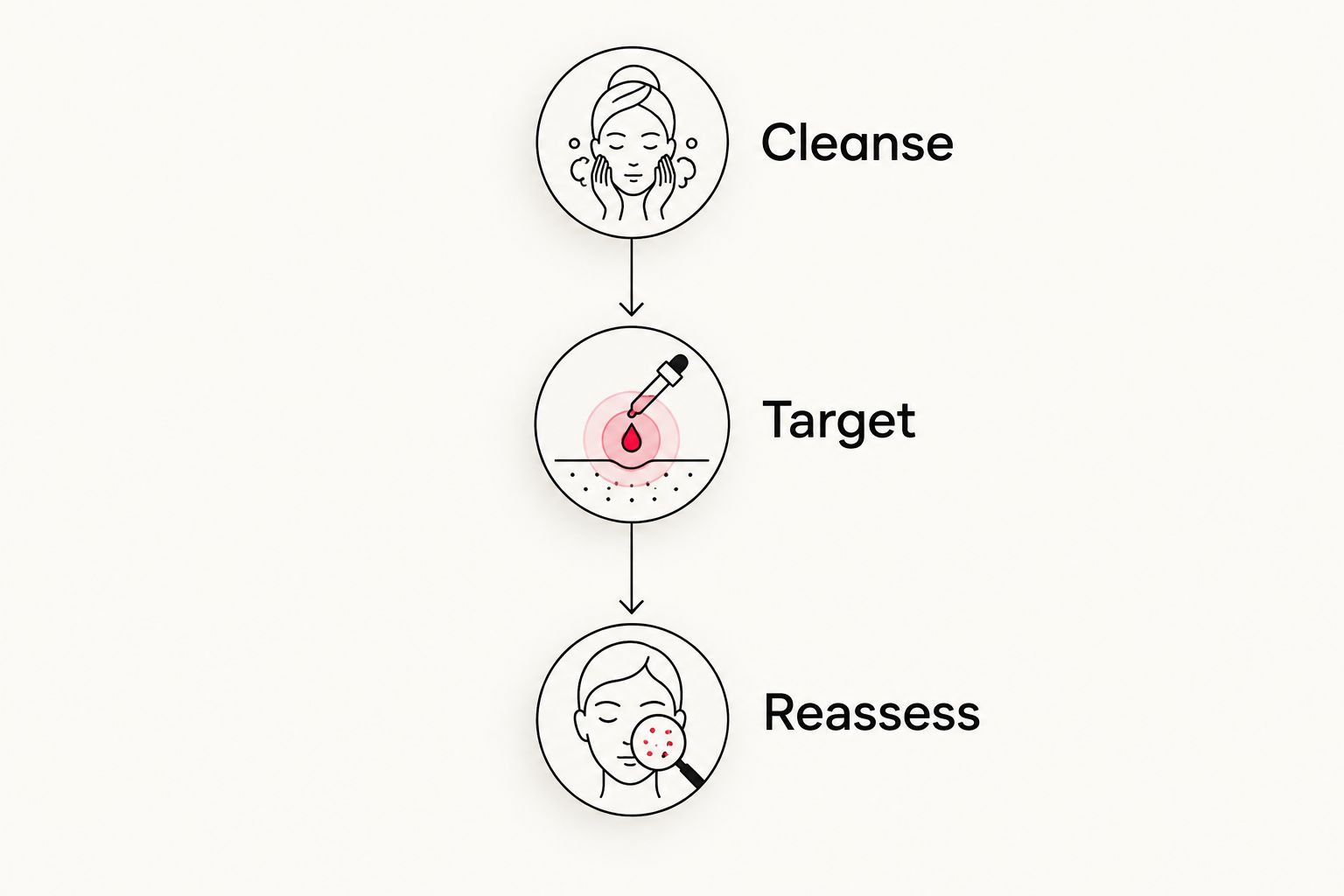
Build your routine in 3 steps
A useful body odor routine separates 2 goals: removing existing odor and managing what happens next. Use these 3 steps rather than layering every category at once.
Cleanse
Wash away existing sweat and buildup, then dry your skin. Put on clean clothing so you are not carrying fabric odor back into the routine.
Target
Choose antiperspirant for bothersome sweating or deodorant for odor without a wetness problem. Use each product only where and how its label directs.
Reassess
Notice whether the problem improves and whether your skin stays comfortable. Persistent odor, new symptoms, or irritation means the next move is reassessment, not automatically another layer.
How these treatments are ranked
This 2026 guide ranks treatment categories by problem fit, body-area fit, skin tolerance, routine fit, and their limits. Antiperspirant leads for sweat-linked odor; the remaining options each address a distinct need rather than competing for the same winner.
Product descriptions establish the named products' intended roles. They do not establish a head-to-head performance advantage over every alternative.
Which body odor treatment should you choose?
Start with antiperspirant if sweating and odor are both bothering you. Choose deodorant when odor is the concern without heavy wetness, and keep cleansing and clothing care as separate supporting steps.
Duradry body odor treatments fit readers looking for sweat-control and odor-care products in one routine. The right 2026 choice is the smallest routine that addresses your concern without irritating your skin—not the largest collection of products.
FAQ
What's the best treatment for body odor in 2026?
Antiperspirant is the best starting category when body odor comes with bothersome sweating. Choose deodorant for odor without a major wetness problem, and seek medical assessment for persistent or suddenly changed odor.
Is deodorant better than antiperspirant for body odor?
Deodorant fits odor-only concerns; antiperspirant fits concerns that also involve sweating. Some products combine both functions, so check the label rather than assuming the format tells you what it does.
Can body wash stop body odor all day?
Body wash removes existing sweat and buildup but does not guarantee all-day odor control. A wash-off cleanser does a different job from a leave-on deodorant or antiperspirant.
Are sweat-control wipes the same as cleansing wipes?
No, sweat-control wipes and cleansing wipes have different intended functions. Check whether the wipe delivers antiperspirant care or simply cleans the skin, then follow its application directions.
Why do I still smell after showering?
Odor after showering can come from clothing, remaining buildup, or a skin-related problem. Check freshly washed clothing separately from your skin, and get medical advice if the problem persists despite ordinary care.
Can I use an underarm product everywhere on my body?
Use an underarm product elsewhere only if its label explicitly permits that area. Keep products away from broken skin and areas excluded by their directions or warnings.
When should I see a doctor about body odor?
See a clinician for persistent, suddenly changed, or unexplained body odor. New sweating with fever, unexplained weight loss, or drenching night sweats also needs medical advice.
One last thing
Check the shirt before blaming your skin. If a garment smells before you put it on, another application of deodorant is treating the wrong surface. Start your next routine with clean, fully dried clothing and judge the result from there.

