

Best overall: a stick explicitly labeled antiperspirant and deodorant for a straightforward daily routine. Best for clinical sweat protection: Duradry’s Clinical Sweat Control Stick; best for avoiding added fragrance: a fragrance-free 2-in-1 stick.
- Choose a deodorant stick antiperspirant labeled for both wetness and odor protection, not deodorant alone.
- Duradry Clinical Sweat Control Stick is the sweat-first pick for people seeking clinical antiperspirant protection.
- Choose a fragrance-free antiperspirant deodorant when avoiding added fragrance matters more than scent.
- Deodorant Body Spray addresses odor; it does not replace an antiperspirant for wetness control.
Why this matters
Sweat and body odor are connected, but they are not the same problem. Antiperspirants reduce sweating; deodorants address odor. A 2-in-1 antiperspirant deodorant combines those jobs in one product.
That distinction matters when you are getting dressed, heading into a meeting, or trying to keep underarm dampness from becoming a distraction. A pleasant fragrance does not tell you whether a stick reduces sweat. Neither does the word deodorant.
For your 2026 routine, choose the function before the fragrance. Start with whether you need wetness control, odor control, or both, then consider ingredients and the application experience. You do not need a complicated routine to make a thoughtful choice.
What makes the best 2-in-1 antiperspirant deodorant?
These criteria separate a useful daily product from a stick that solves the wrong problem:
- Dual-purpose labeling: The package identifies the product as both an antiperspirant and a deodorant. Do not infer sweat protection from an odor claim.
- Sweat-control fit: Match the product’s stated purpose to your concern, whether that is everyday underarm dampness or a preference for clinical sweat protection.
- Ingredient fit: Read the complete ingredient list against your own preferences and known sensitivities. A broad clean-ingredient claim does not replace that check.
- Fragrance preference: Choose scented or fragrance-free deliberately. Fragrance is a preference, not proof of stronger wetness control.
- Application instructions: Check where, when, and how the product should be used. A familiar stick format does not make every formula interchangeable.
- Skin comfort: A useful routine should not require you to tolerate persistent irritation. Stop using a product that causes a reaction and seek advice when needed.
In 2026, these are more useful buying criteria than an unqualified strongest-product claim. The best stick is the one that addresses your actual concern and fits its labeled use.
Best antiperspirant deodorant options at a glance
The ranking below separates use cases rather than pretending every shopper needs the same formula. The clinical pick focuses on sweat protection; the other picks describe the label characteristics to look for when selecting a combined antiperspirant deodorant.
| Rank | Pick | Best for | Standout feature | Key limitation |
|---|---|---|---|---|
| 1 | Clinical Sweat Control Stick | A sweat-first routine | Clinical sweat protection with thoughtfully selected ingredients | Confirm the deodorant claim when choosing a single product for both jobs |
| 2 | Fragrance-free 2-in-1 stick | Avoiding added fragrance | Antiperspirant and deodorant functions without added fragrance | Fragrance-free does not guarantee irritation-free |
| 3 | Everyday 2-in-1 stick | A simple daily underarm routine | Wetness and odor protection in one application | Dual-purpose labeling alone does not establish clinical-strength protection |
| Alternative, not ranked | Deodorant Body Spray | Odor-focused spray application | Unscented, fine, fast-drying spray | Deodorant is not a substitute for antiperspirant wetness control |
A deodorant-only option belongs in the comparison because it is easy to confuse format with function. A spray and a stick can both address odor, but only an antiperspirant claim identifies sweat-reducing action.
1. Clinical Sweat Control Stick: best for a sweat-first routine
Duradry Clinical Sweat Control Stick is best for people seeking clinical antiperspirant protection in a stick format. Its stated focus is clinical sweat protection with clean, thoughtfully selected ingredients. Choose it because wetness control is your priority, not because the stick format alone proves every function you need.
If you are shopping specifically for a 2-in-1 product, read the package for both antiperspirant and deodorant labeling. That check keeps the recommendation precise: clinical sweat protection and combined wetness-and-odor protection are related claims, but they are not interchangeable.
Clinical Sweat Control Stick pros
- Its stated purpose directly addresses sweat protection.
- The stick format suits shoppers who prefer direct application rather than spraying.
- Its product description emphasizes thoughtfully selected ingredients alongside clinical protection.
Clinical Sweat Control Stick cons
- A clinical sweat-protection claim does not establish a particular wear time.
- The word clinical does not promise that a formula will suit every person’s skin.
- You still need to confirm the product’s deodorant labeling if one-product odor control is essential.
Best for: People who put underarm wetness control first and want a clinical antiperspirant stick.
For a 2026 purchase, check the current label rather than treating a product name as the full instructions. Review the intended application area, warnings, and directions before adding it to your routine. Give the formula a fair evaluation by using it as directed, not by layering on extra applications.
Verdict: Buy for its stated clinical sweat-protection purpose; confirm dual-purpose labeling before choosing it as your sole 2-in-1.
2. Fragrance-free 2-in-1 stick: best for avoiding added fragrance
A fragrance-free antiperspirant deodorant stick combines wetness and odor functions without added fragrance. It is the clearest starting point when scent is something you want to leave out of your routine. Look for fragrance-free wording and verify that the product is also labeled antiperspirant.
This recommendation is about avoiding added fragrance, not declaring fragrance harmful for everyone. You can prefer a scented formula and still make a thoughtful ingredient choice. Your skin history and scent preference should guide the decision.
Fragrance-free 2-in-1 stick pros
- It addresses wetness and odor when both functions appear on the label.
- It avoids adding a product fragrance to your routine.
- It removes fragrance preference from the decision, letting you focus on the remaining formula.
Fragrance-free 2-in-1 stick cons
- Fragrance-free does not mean every ingredient is suitable for sensitive skin.
- It does not provide the scented application experience some shoppers want.
- Fragrance-free wording says nothing about the strength of sweat protection.
Best for: People who want combined underarm protection without added fragrance.
Check the full ingredient list, especially if you already know which ingredients your skin does not tolerate. Do not assume unscented and fragrance-free always describe identical formulations; inspect the wording and ingredients rather than relying on the front-panel impression.
If a previous antiperspirant caused a reaction, switching fragrance alone does not identify the cause. A clinician can help you assess recurrent irritation instead of repeating the same trial-and-error cycle.
Verdict: Buy when avoiding added fragrance is a priority and the label confirms both antiperspirant and deodorant functions.
3. Everyday 2-in-1 stick: best for a simple daily routine
An everyday antiperspirant deodorant stick is the default choice when you want one product for underarm dampness and odor. Its appeal is functional simplicity: you select one formula, follow one set of directions, and assess whether it meets your needs.
Start here when you have not identified a reason to prioritize clinical protection or fragrance-free formulation. That does not mean ignoring ingredients. It means avoiding a complicated routine before you know what your regular product can do.
Everyday 2-in-1 stick pros
- It combines wetness and odor functions when explicitly labeled for both.
- It keeps the application routine centered on one product.
- It lets you choose fragrance and ingredient preferences without changing the basic format.
Everyday 2-in-1 stick cons
- A general antiperspirant claim does not establish clinical-strength protection.
- A scent you enjoy does not prove the formula controls wetness well for you.
- It still needs to be used according to its own directions, including any timing instructions.
Best for: People seeking straightforward daily underarm protection without a separate odor product.
Judge the outcome against the problem you wanted to solve. If odor improves but dampness remains bothersome, that is a wetness-control question. If your skin becomes irritated, adding another scented product is not the next move.
Keep those observations separate. They help you choose a more suitable formula rather than replacing a product simply because its fragrance feels unfamiliar.
Verdict: Buy as the default when you want one labeled product for both underarm wetness and odor.
How to choose without getting distracted by the packaging
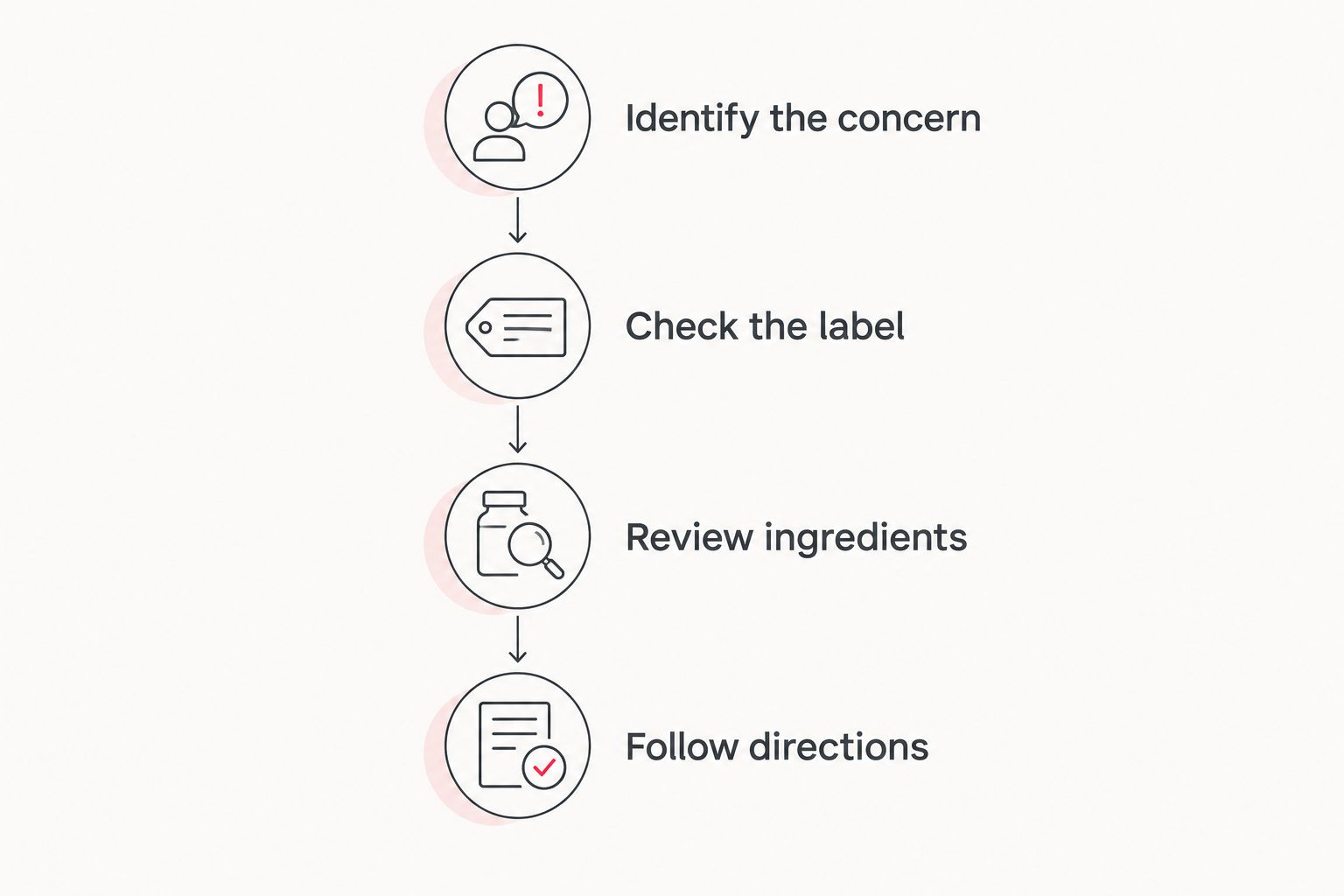
Use this sequence for your 2026 shortlist. It keeps the decision tied to function before you compare scents or formats.
- Identify the concern. Decide whether you are addressing wetness, odor, or both. If both matter, make combined labeling a requirement.
- Check the label. Look for antiperspirant and deodorant functions, then read the active ingredient information and directions.
- Review ingredients. Compare the complete list with your preferences and any ingredients you already know cause problems.
- Follow directions. Use the product only on the areas indicated and according to its application instructions.
For antiperspirants, dry skin and the product’s specified application timing matter. Do not apply to broken or irritated skin. If shaving leaves your underarms uncomfortable, do not treat stinging as evidence that the formula is working.
Sweating beyond the underarms needs an additional check: underarm directions are not whole-body directions. A stick should not automatically become your solution for palms, feet, skin folds, or intimate areas. Select a product with instructions appropriate to the intended area.
How these picks are ranked
This 2026 ranking prioritizes function, intended use, ingredient fit, fragrance preference, and clear directions. Clinical Sweat Control Stick earns the sweat-first slot because clinical sweat protection is its stated purpose. The fragrance-free and everyday categories cover distinct buying priorities rather than claiming one formula is universally best.
The comparison does not assign unsupported wear times or rank active-ingredient potency without formula-specific evidence. Clinical, fragrance-free, and 2-in-1 each answer a different question. Keep those distinctions intact when comparing labels.
Which antiperspirant deodorant should you choose?
Choose an explicitly labeled everyday 2-in-1 stick if you are undecided. It is the most direct match for someone who wants a single underarm product for wetness and odor.
Choose Duradry Clinical Sweat Control Stick when clinical antiperspirant protection is your priority. Choose a fragrance-free 2-in-1 when avoiding added fragrance is a firm requirement. Neither decision needs to become a judgment about how much you sweat or how you should smell.
If excessive sweating disrupts daily life, or your sweating changes suddenly, seek medical advice instead of endlessly switching sticks. Product selection and medical assessment solve different problems.
FAQ
What is the best deodorant stick antiperspirant for daily use?
The best default is a stick explicitly labeled as both antiperspirant and deodorant. Choose clinical protection when sweat control is your priority, or fragrance-free when avoiding added fragrance matters.
Is Duradry Clinical Sweat Control Stick a good choice for sweat protection?
Duradry Clinical Sweat Control Stick is a sweat-first choice because its stated purpose is clinical sweat protection. Check the current package for deodorant labeling if you want one product for both wetness and odor.
Does a deodorant stick stop sweating?
A deodorant-only stick does not serve the same sweat-reducing function as an antiperspirant. Look for an antiperspirant claim rather than assuming the stick format provides wetness control.
Is fragrance-free antiperspirant better for sensitive skin?
Fragrance-free antiperspirant avoids added fragrance, but it does not guarantee freedom from irritation. Review the complete ingredient list and seek advice if reactions recur.
Should I apply antiperspirant in the morning or at night?
Follow the application timing on your product’s label. Antiperspirants are commonly applied to dry skin, and some specify nighttime use; do not assume every stick has identical directions.
Can I use an underarm antiperspirant stick on the rest of my body?
Use an antiperspirant stick only on the areas allowed by its label. Underarm instructions do not automatically establish suitability for hands, feet, skin folds, or intimate areas.
Can deodorant body spray replace a 2-in-1 stick?
Deodorant body spray can address odor, but it does not replace antiperspirant wetness control. If you want both functions in one product, select a formula explicitly labeled for both.
One last thing
The simplest improvement to your 2026 sweat-care routine is not necessarily a stronger fragrance or an extra product. It is checking whether your current stick actually addresses wetness, odor, or both.
Keep the product that solves your concern comfortably and according to its label. If it does not, change the relevant feature—sweat protection, fragrance, or formulation—instead of changing everything at once.

